
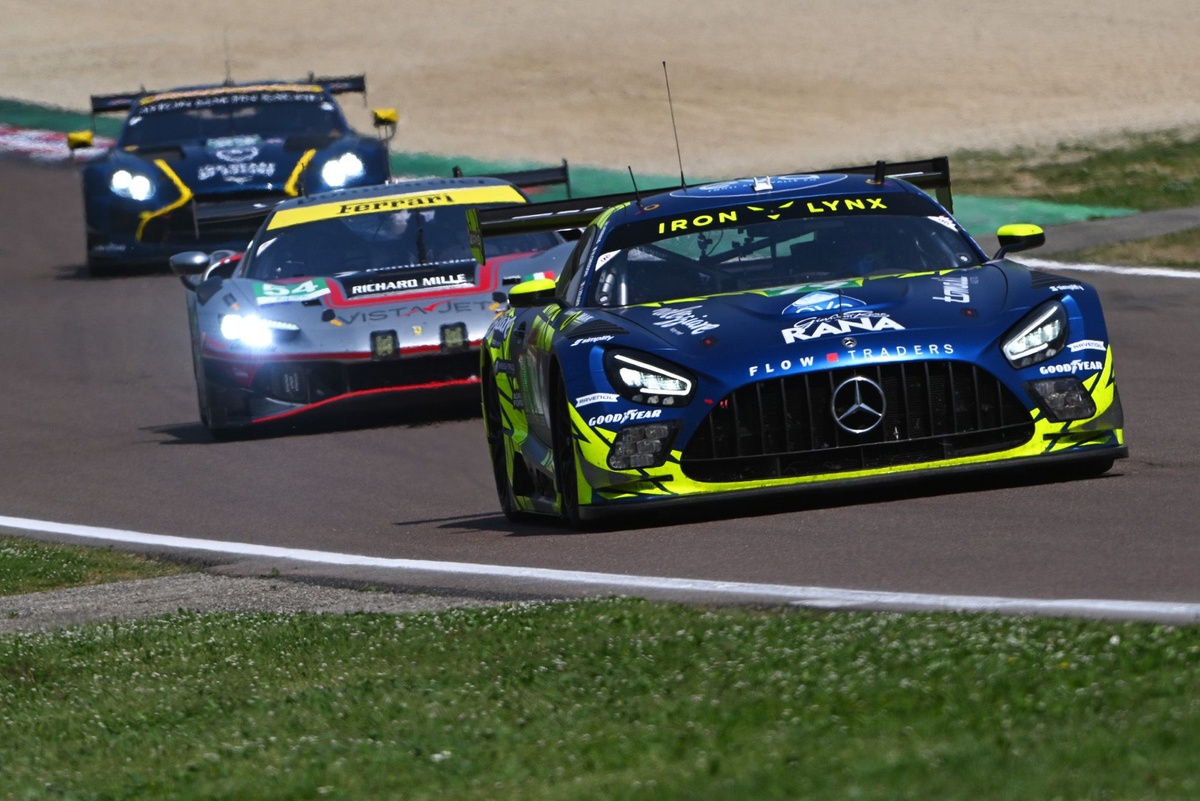
Twenty years have passed since the inaugural FIA GT3 Championship at Silverstone, marking the beginning of a new era in sportscar racing, with 44 cars lining up at the British circuit in 2006, and few could have predicted the immense success this category would achieve.
GT3’s Rise to Prominence
Conceived by Stephane Ratel as a customer-focused category, GT3 aimed to make high-level GT racing accessible to private teams and gentleman drivers, with a focus on affordability, controlled performance, and giving specialist tuners the freedom to turn road-going machines into proper race cars.
Ratel’s vision was to create a category that would provide a level playing field, allowing drivers from various backgrounds to compete, and his confidence in GT3’s strong foundations has been validated by its constant growth over the years.
Evolution and Expansion
GT3 has evolved beyond its gentleman-driver roots, with factory-backed stars now regularly sharing the same cars with amateur racers, and the category has become the default platform for modern-day sportscar racing, underpinning various series and events, including the World Endurance Championship and SRO’s own GT World Challenge.
The category’s growth has been remarkable, with GT3 replacing GT1 and GT2, and eventually becoming the backbone of SRO’s racing series, and Ratel’s research for the 20-year anniversary revealed that he had anticipated a bright future for the category, but not to the extent that it has achieved.
Impact of High-Profile Drivers
The entry of high-profile drivers, such as MotoGP legend Valentino Rossi and four-time Formula 1 champion Max Verstappen, has introduced GT3 to a new audience, with Rossi’s participation leading to a significant increase in spectator attendance, and Verstappen’s debut resulting in a record attendance of 352,000 spectators at the Nurburgring 24 Hours.
Ratel attributes the growth of GT3 to its ability to provide a level playing field, where drivers from different backgrounds can compete, and the category’s versatility has allowed it to become the go-to platform for sportscar racing, with GT3 cars now starring in events at famous tracks like Spa, Le Mans, and the Nurburgring.
Challenges and Opportunities
Despite its growth, GT3 racing still occupies a relatively niche space within the wider motorsport landscape, and promoters face a challenge in sustaining interest across the entire season, but Ratel remains optimistic, citing the growing niche and the significant time sportscar racing is having.
The combination of WEC and GT World Challenge has attracted major manufacturers, and the public attendance at events like Imola and Paul Ricard has been impressive, demonstrating the category’s potential for broader appeal, and as the sport continues to evolve, GT3 is well-positioned to remain a leading force in sportscar racing.
As the category looks to the future, it is likely that GT3 will continue to play a major role in shaping the sportscar racing landscape, with its unique blend of accessibility, competition, and excitement, making it an attractive platform for drivers, teams, and fans alike, and its legacy as a pioneer in modern sportscar racing is already cemented.
 "
"