
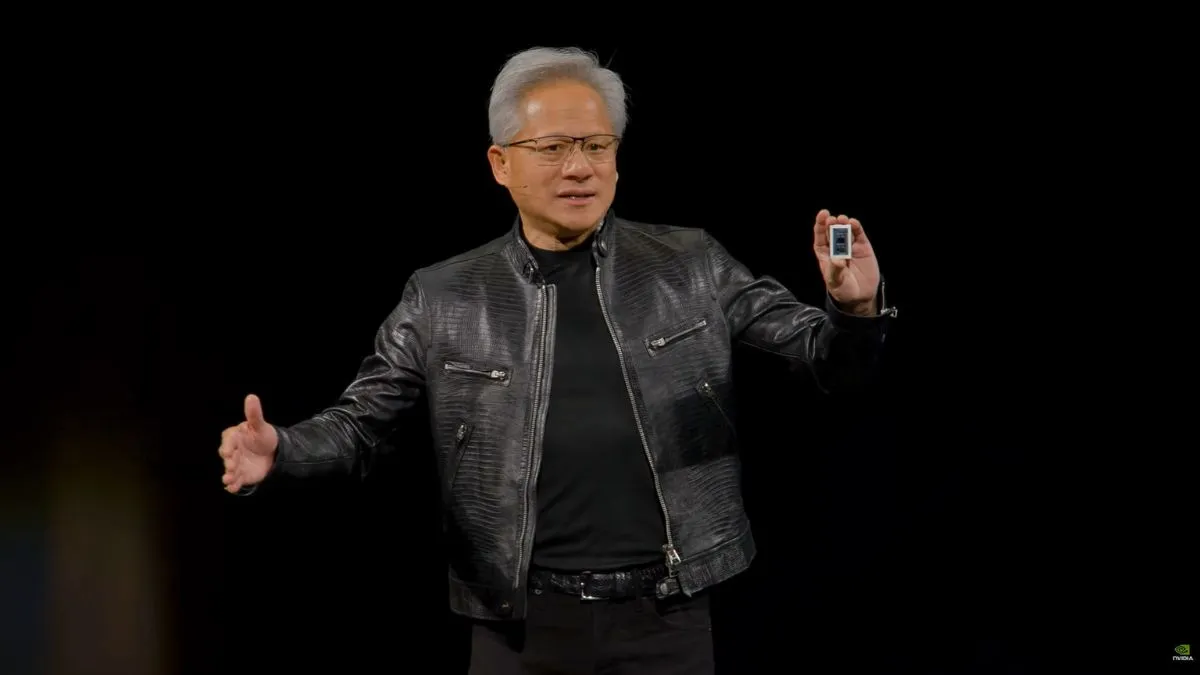
Nvidia has unveiled the RTX Spark, an AI‑centric superchip destined for the next wave of Windows laptops and desktops.
Hardware specs and raw performance
The RTX Spark pairs a Blackwell RTX GPU equipped with 6,144 CUDA cores to a bespoke 20‑core ARM‑based Grace CPU, delivering up to one petaflop of AI compute. Unified memory tops out at 128 GB, while the package maintains a slim 14‑mm chassis in 14‑ to 16‑inch premium designs.
Nvidia claims the platform can render 90 GB‑plus 3D scenes, edit 12K 4:2:2 video, and sustain 4K AI‑generated video output. Battery life is projected to last an entire workday despite the dense silicon.
AI capabilities and software integration
With 128 GB of shared memory, the chip can host 120‑billion‑parameter large language models, handling up to one million tokens of context without resorting to cloud inference. Microsoft is partnering with Nvidia to embed Windows‑native AI agents via Nvidia OpenShell, allowing secure, cross‑application tasks such as file search, code assistance, and workflow automation.
CEO Jensen Huang emphasized that the PC is being reinvented: users will issue commands and watch the machine act as an AI‑driven collaborator.
Gaming, creator tools, and ecosystem outlook
Nvidia assures that RTX Spark systems will run AAA titles at 1440p above 100 FPS, leveraging DLSS and Reflex technologies. Xbox‑compatible experiences are slated for launch, and developers including Riot Games, Remedy Entertainment, and NetEase are already optimizing titles for the new architecture.
The launch, scheduled for this autumn, signals a shift toward locally powered AI workloads, sparking enthusiasm across the gaming and content‑creation communities.
 "
"