
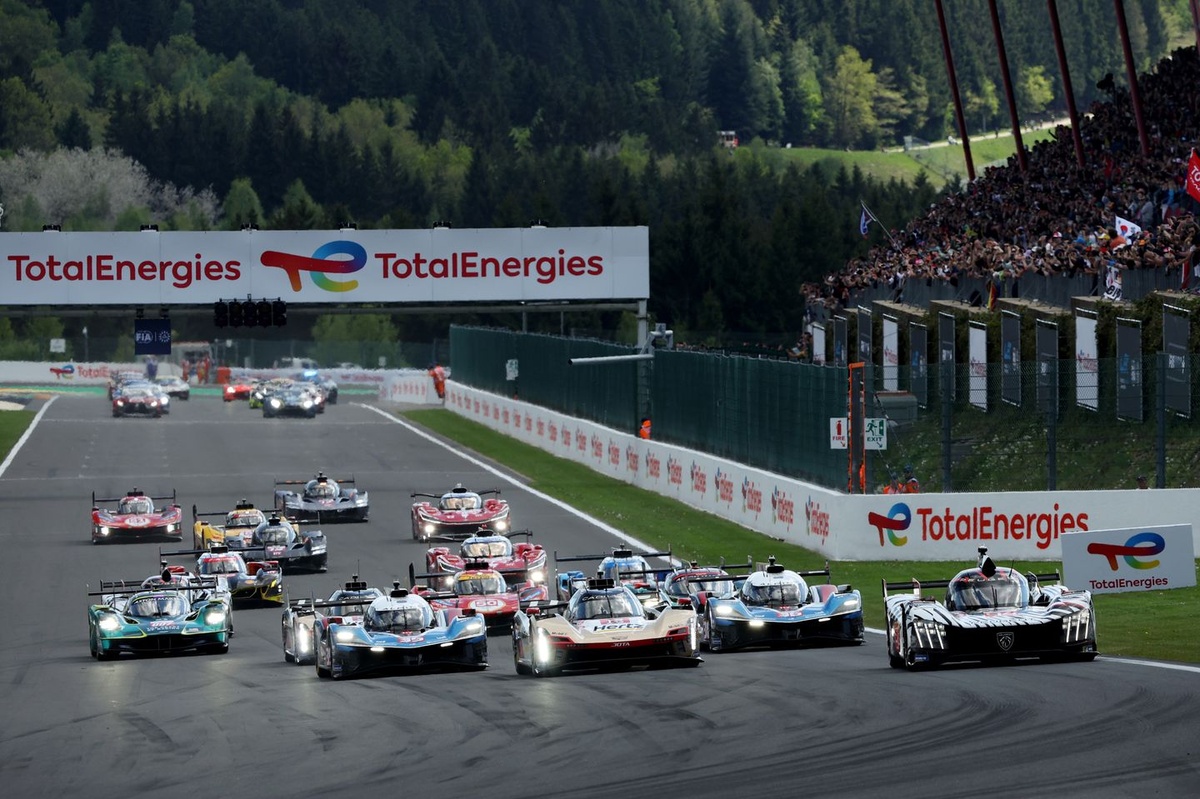
SRO chief Stéphane Ratel brushed aside the criticism surrounding the World Endurance Championship’s decision to keep Balance of Performance data hidden this year, insisting that speculation about covert agendas is unfounded.
Why the WEC withheld BoP figures in 2026
At the start of the 2026 season the WEC stopped publishing BoP numbers for both the Hypercar and LMGT3 categories, a move that immediately triggered calls for greater transparency from sections of the paddock and the media. The shift followed a 2025 campaign in which Toyota repeatedly blamed BoP adjustments for its lack of pace, while Porsche cited the same mechanism as part of its rationale for withdrawing from the Hypercar class.
Ratel’s justification for secrecy
When questioned by Motorsport.com, Ratel emphasized that the primary objective of any series promoter is to deliver close, unpredictable racing. He argued that “uncertainty is essential” and that BoP exists solely to generate that uncertainty, preventing any single car from dominating the field.
The SRO chief added that the public’s demand for a conspiracy theory is misplaced; the data’s visibility, whether disclosed or not, does not affect the balancing process. “Our aim is to have every car within a tenth of a second of each other – that would make us superheroes,” he said.
Balancing uncertainty as a sporting principle
Ratel linked the need for BoP‑driven parity to the broader health of motorsport, pointing to the decline in viewership during Formula 1’s “Ferrari ultra‑domination” era as a cautionary example. He highlighted that promoters such as the ACO, FIA, IMSA and DTM share the same goal: creating a series where multiple marques can win, thereby sustaining fan interest.
Implications for manufacturers and fans
The dual‑regulation environment of the Hypercar class—combining LMDh and LMH specifications—adds complexity to the BoP task, a fact that Ratel believes only reinforces the need for discretion. For manufacturers like Toyota and Porsche, the lack of published figures may fuel frustration, yet the SRO executive maintains that the secretive approach does not diminish the competitive integrity of the championship.
Fans, meanwhile, receive a product where race outcomes remain less predictable, a result that Ratel claims is the very essence of sport. Whether the concealed BoP data will continue to provoke debate or fade into the background depends on how closely the on‑track battles align with the promised “one‑tenth‑of‑a‑second” parity.
 "
"