
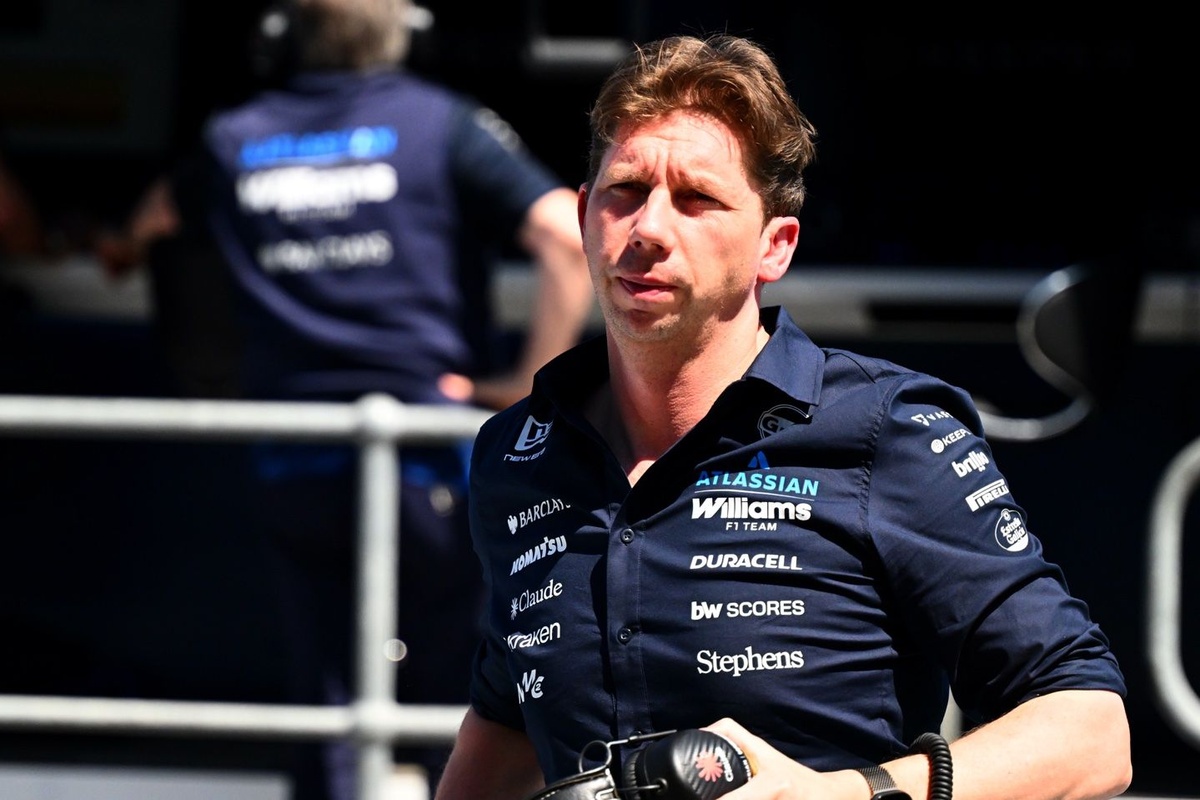
Williams team principal James Vowles conceded that the strategic choices made during the Canadian Grand Prix in Montreal were neither correct nor optimal, while highlighting Carlos Sainz’s impressive comeback and asserting that Alex Albon was on a points‑scoring trajectory before his clash with Oscar Piastri.
Misjudged tyre gamble on a drying circuit
The team launched both cars on intermediate tyres at the start, anticipating rain that never materialised. As the track began to dry faster than forecast models suggested, Vowles described the decision‑making process as “not right or perfect”, noting the difficulty of interpreting radar data and the rapid shift to slick conditions.
Williams opted to swap to slicks early, a move that left both drivers struggling to generate adequate tyre temperature, especially for Sainz, who started from 15th on the grid under damp conditions.
Albon’s incident eliminates potential points
Alex Albon performed strongly until he was taken out by Piastri, who had emerged from the back of the field. Vowles called the damage “extensive” and confirmed that, had the collision not occurred, Albon likely would have finished in the points.
The incident forced Albon’s retirement, underscoring how a single mis‑calculation can erase otherwise solid results.
Sainz capitalises on VSC to secure points
Despite the tyre temperature challenges, Carlos Sainz managed a measured ascent through the pack, exploiting the Virtual Safety Car period to switch to medium tyres for the final stint. He ultimately finished ninth, delivering two championship points for Williams.
Vowles praised Sainz’s “absolutely brilliant” effort, emphasizing that the driver’s pace demonstrated meaningful car development even in a “difficult weekend”.
Looking ahead, Williams must refine its weather‑prediction protocols and tyre‑change timing if it hopes to convert strong pace into consistent point hauls.
 "
"