
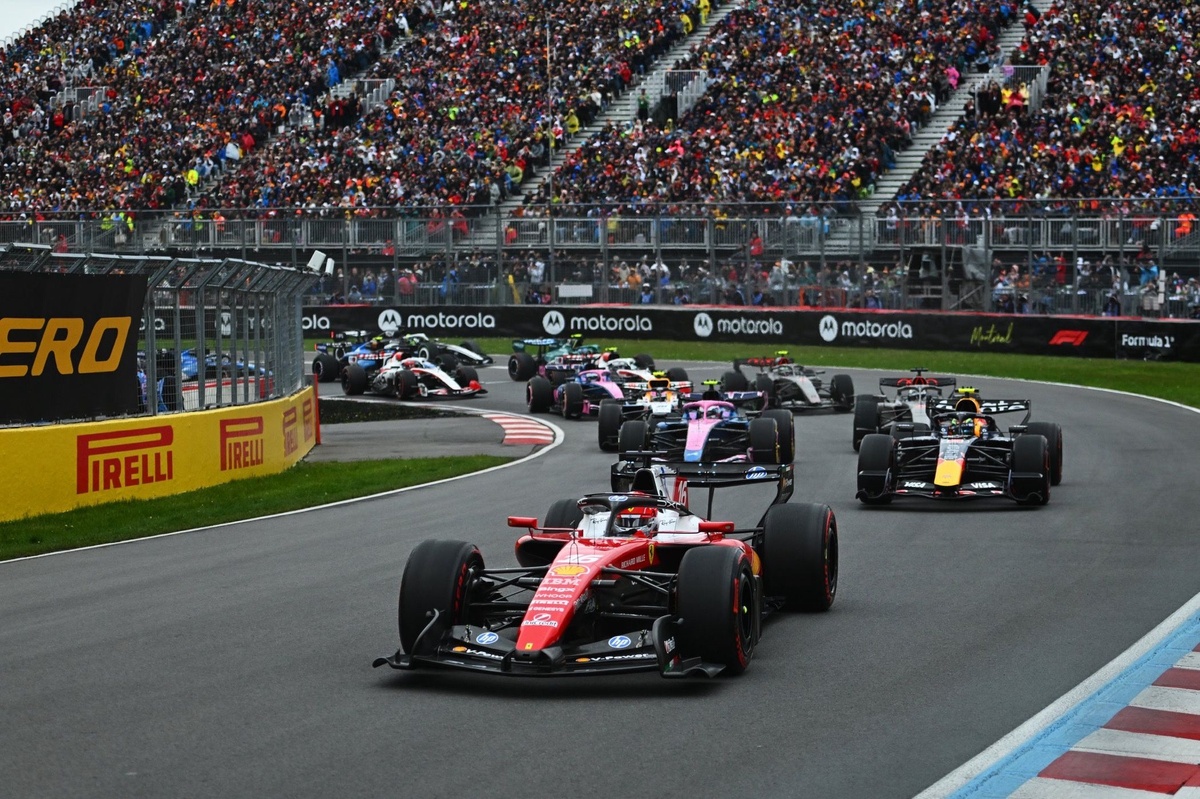
The FIA and Liberty Media are racing against a looming deadline to lock in the 2027 Formula 1 power unit regulations before the Spanish Grand Prix on 12‑14 June.
FIA proposal meets resistance from Ferrari and Audi
At a pre‑Canadian Grand Prix meeting, all engine builders appeared to agree that the power‑unit formula needed a course correction. The federation then tabled a concrete plan: boost fuel flow by 14 %, adding roughly 50 kW to the internal combustion side while chopping 50 kW from the electric MGU‑K. That would shift the balance to 450 kW combustion and 300 kW electric, theoretically eliminating “super‑clipping” and the battery‑management nightmares that plague qualifying laps.
When the paddock reached Montreal, both Ferrari and Audi retreated from the earlier consensus. Their engineers warned that the 14 % jump would force extensive redesigns, jeopardising reliability, inflating costs, and upsetting the development schedule already set by the ADUO agreement.
Alternative route: aerodynamic cuts and modest fuel‐flow rise
In the days between Canada and Monaco, a different solution gained traction. The Formula 1 Commission has already signed off on a 40‑50 point reduction in aerodynamic load for 2027 cars, a move aimed at cutting drag and lowering cornering speeds, thereby enhancing energy‑recovery phases. Pair this with a modest 5 % increase in fuel flow, and the sport could achieve a 60/40 split between combustion and electric power without overhauling engines that are already in advanced development stages.
This hybrid approach promises to curb the “lift‑and‑coast” effect while keeping the power‑unit architecture largely untouched.
Final push before the Spanish Grand Prix
The negotiation window has shrunk to a few days. Whether the parties adopt the FIA’s original 14 % fuel‑flow raise, the aerodynamic‑focused compromise, or another hybrid, a decision must land before the end of the weekend to allow the final package to be presented at the Spanish Grand Prix.
 "
"