
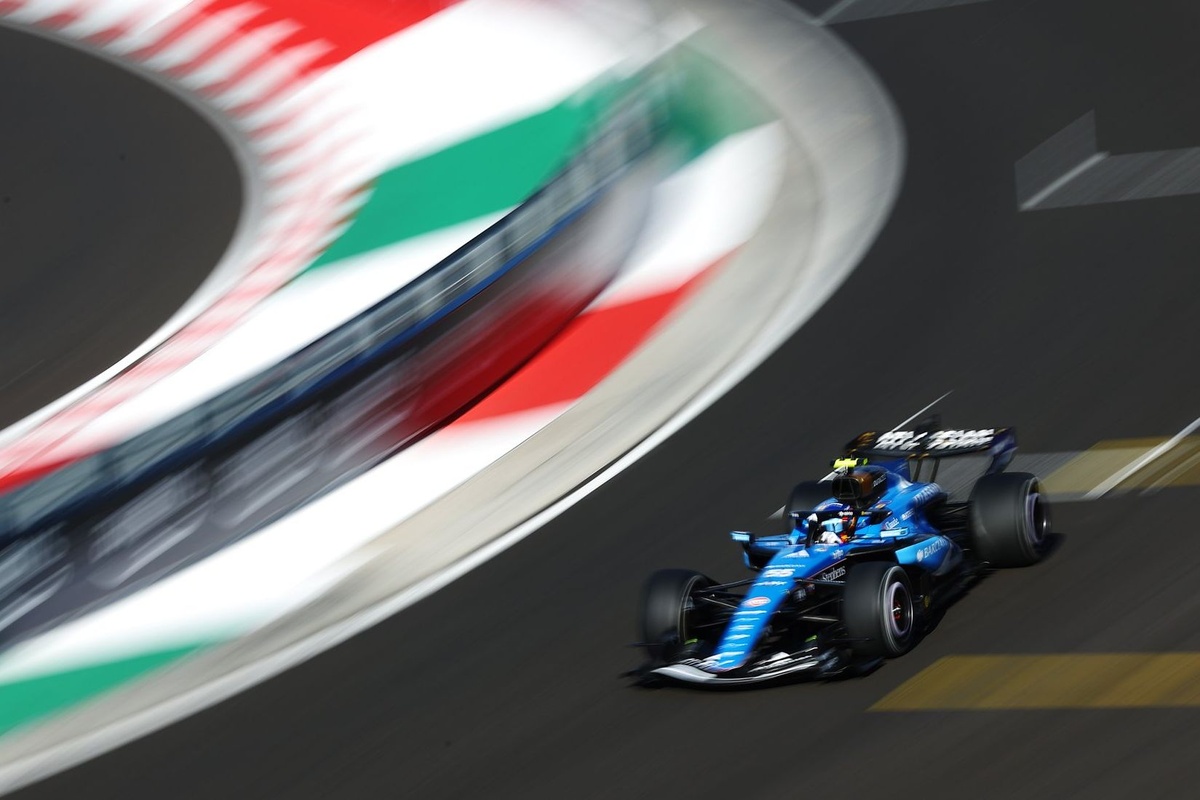
At the Hungarian Grand Prix, Carlos Sainz urged Williams F1 to model its strategy after Aston Martin’s shock qualifying revival, a move that could rewrite the team’s fortunes.
Sainz qualified 18th while his teammate, Alex Albon, finished 19th, marking the fifth straight round in which at least one Williams driver clear‑cut the first qualifying session. The pair edged forward past Lance Stroll in 20th, but the atmosphere in the paddock remained tense for the struggling midfield outfit.
Contrastingly, Fernando Alonso reached the second qualifying round for the first time in 2026, clocking 16th thanks to the latest chassis overhaul—Aston Martin’s first significant upgrade of the season. While the luxurious works team had previously lagged two seconds behind the field, the Hungarian welfare of the upgrade underscored how quickly dynamics can shift.
“If you observe a nearby team with analogous resources achieving a meteoric rise, the confidence is there to prove we can replicate that progress,” Sainz said. He added that understanding performance limits—such as downforce deficiencies—could unleash a capacity similar to Aston’s, which went from weaker downforce at Spa to dominating midfield downforce at Hungaroring.
Albon, meanwhile, expressed tempered optimism. “I cannot comprehend the extent of Allegro’s upgrade, but it sets a benchmark. We’ll fight for race pace in straights, yet clearly in corners we trail,” he said. “That reality is eye‑opening and reminds us we must act strategically for the Baku upgrade.”
Williams’ next planned upgrades at Baku are set to tackle both weight concerns and overall performance, with team boss James Vowles describing the changes as “almost an entirely new car.” Despite previous setbacks—including missing the Barcelona shakedown due to production issues—the team is determined to secure the first points of the 2026 season.
Sainz’s Call for Inspiration from Aston’s Upgrades
In a candid interview, Sainz highlighted how the Hungarian session illustrated that a single upgrade can level the playing field. “Seeing another squad reach higher downforce levels within six months confirms our capacity to do the same,” he said, urging his crew to draw motivation from what Aston achieved.
Aston’s Quantum Leap: From Slowest to Leader
Aston Martin’s upgrade, featuring a radically different chassis and a forthcoming engine upgrade at Zandvoort, reversed its standing from F1’s slowest outfit to the frontrunner in midfield downforce. The team’s performance trajectory demonstrates the immediate impact that focused engineering can have.
Williams’ Persistent Qualifying Struggles
The seventh consecutive Group 14 pit stop in Hamburg, the fifth additional delta, and the repeated radiographic infractions have all contributed to a lack of consistency. Drivers have repeatedly found themselves grinding through Q1, a trend that threatens to reduce the team’s competitiveness further.
Upcoming Baku Upgrades: A New Car, A New Chance
According to Vowles, the forthcoming changes aim to resolve the FW48’s weight dilemma and carve a more efficient aerodynamic package. The shift, however, comes after a slow period of development and production delays that left the team missing critical pre-season testing.
Albon’s Perspective: Some Progress But Still a Gap
Alex Albon cautioned that despite improvements in straight‑line speed, Aston’s cornering advantage remains significant. He underlined the pivotal need for Bach’s impending upgrades to close the performance gap in crucial track sections.
 "