
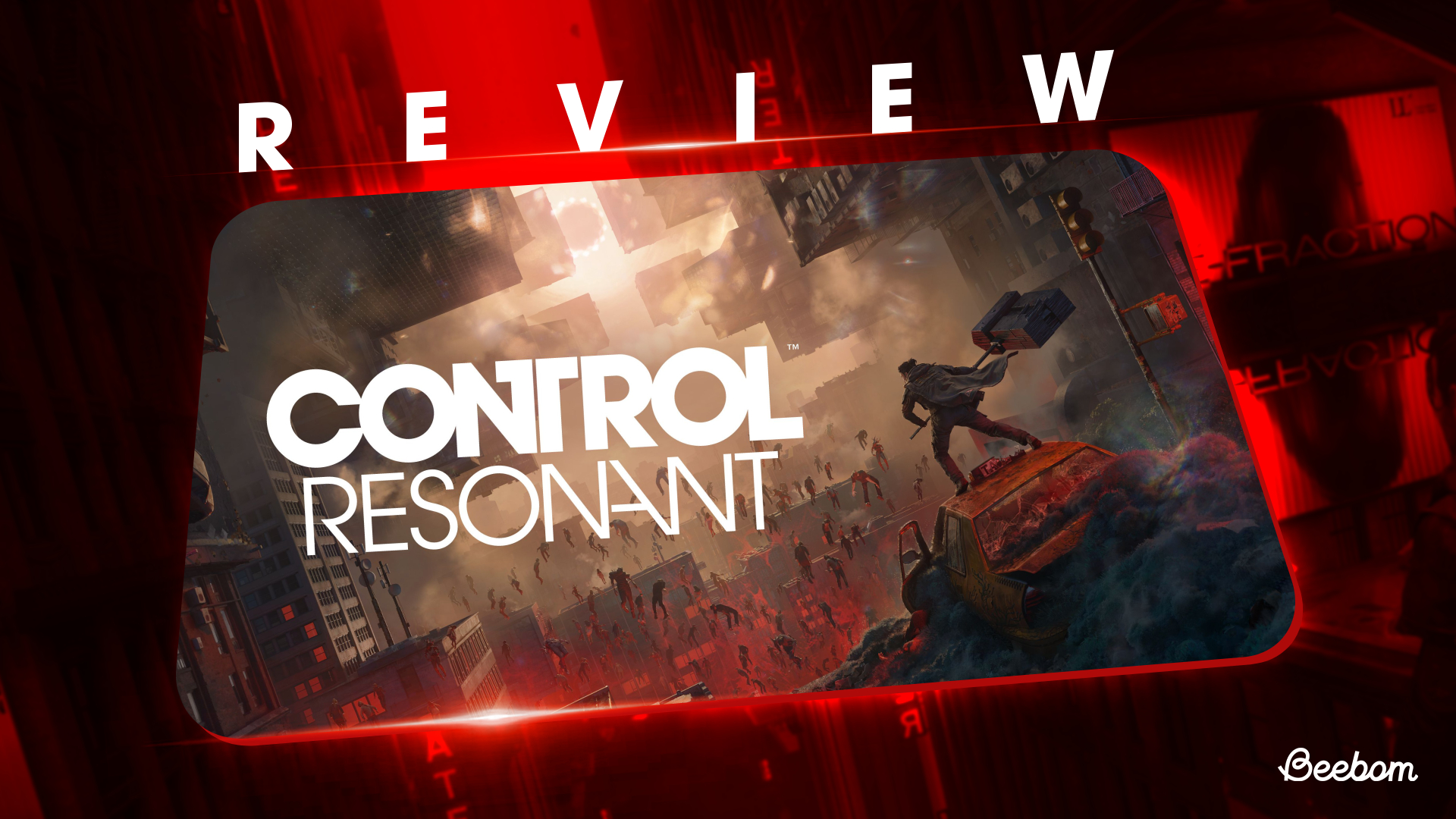
Control Resonant redefines Remedy’s approach to open‑world storytelling
Control Resonant launches with Dylan Faden leaving Federal Bureau of Control’s Oldest House for a dystopic Manhattan split into five distinct zones, each warped by the Hiss and Mold on the player’s journey.
Story dynamics shift from sister to systemic threat
Jesse Faden’s search for her brother in the original game is flipped; Dylan, tagged P6, now breaks out, carrying with him a spore‑infused Aberrant and a persistent vision of Jesse’s memories. The narrative anchors on their sibling bond while expanding the Bureau’s systemic menace across a city turned living puzzle.
Dylan’s daily liaison with Director Emily Pope and handler Zoe is highlighted by dialogue that breathes tone into otherwise procedural missions. Their exchanges provide motivation for side tasks – ranging from repairing horror‑inspired light bulbs to capturing Hiss swarms – and weave continuity into the open‑ended build.
Manhattan as the true protagonist
The city’s zones – Downtown, Central, Park, Evacuation, and West Incursion – each adopt a unique visual lexicon, enemy roster and physical rule. Gravity control becomes a core mechanic, with four movement forms: Float, Dash, Reach, and Shift. These tools unlock doorways to traverse twisted skyscrapers, navigate sinkholes, and fight standing‑up, echoing the level design that defines Remedy’s hallmark.
For instance, the Evacuation Sinkhole requires a descent with a ceiling‑mounted diving bell, accompanied by a fight against a Hiss‑infused Hive. The West Incursion’s recursive architecture turns navigation into a mind‑twisting trial, rewarding players with a confidence drop from the absurd but stunning, warping iterations of New York skyline.
Combat: an endless choreographed dance
Dylan wields the Aberrant, shifting through six forms – Strike, Glaive, Cleave, Crush, Drill and Extend – each complemented by unique finishers. Playability emerges when the game allows players to cherry‑pick builds that fit their preferred playstyle, abstaining from rigid skill trees or inventory limits.
Boss encounters praise Remedy’s asymmetry: The Artist, Dancer, and the Cohort of Resonant Entities each demand distinct tactics. The Dancer’s Fibonacci‐driven rhythm and the Mold Resonant’s euphoria spore mechanic oblige players to balance timing, music cues and strategic use of Inferno or Crush builds.
Audio–visual synthesis enhances immersion
The soundtrack, crafted by Petri Alanko, interweaves personal tracks from Zoe’s mixtape with zone‑specific themes. This synergy intensifies moments where Dylan confronts memories, with Zoe’s music triggering counter‑measures to Mold infections.
Graphically, Control Resonant employs Remedy’s Northlight engine, expanded for outdoor scale. Ray tracing, DLSS 4.5, and high‑fidelity reflections produce hyper‑realistic streets, weathered surfaces and true lighting blotch effects, making the corrupted zones feel palpable.
Overall performance: a showcase of hardware capability
On an RTX 5080 Big FX, the game maintains 230–240 FPS on Ultra settings with ray tracing enabled, while occasional hot‑spots were viewed as outliers. DLSS fetched a performance boost, yet cutscene fidelity occasionally suffered slight detail degradation – fixable post‑launch updates are promised by Remedy.
Final assessment
Control Resonant succeeds by turning a once-stationary, narrative‑heavy title into a fluid, exploratory, action‑RPG where the architecture of an entire city informs progression, combat and story. Its blend of open‑world design, immersive audio cues and refined combat mechanics provides Remedy’s fans with an engaging, fresh entry in the franchise, while inviting newcomers into a richly constructed psychic mythology.
 "
"