
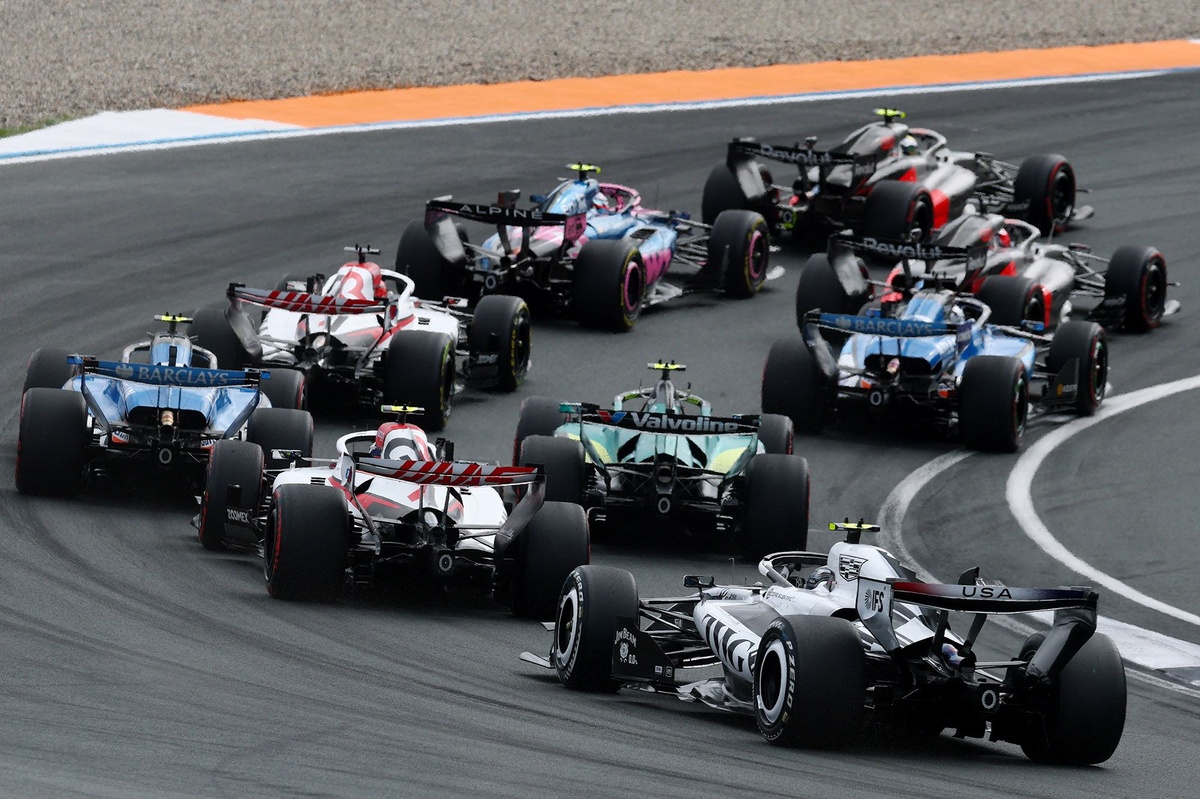
Formula 1 will slash race distances to 290 km next season, trimming about 15 km from the current 305 km, the Commission announced.
Powertrain tweak drives shorter meetings
The 2027 power‑train plan ups the internal combustion engine (ICE) to 420 kW while limiting the motor generator unit‑kinetic (MGU‑K) to 300 kW — 350 kW only in overtake mode. A 5 % increase in fuel flow delivers the added output, but the FIA and FOM opted to reduce track distance instead of enlarging fuel tubs to avoid end‑of‑lap shortages.
Under the new format, most circuits will lose roughly three laps, keeping the two‑hour race cap intact for stoppages while dropping the previous three‑hour window for red‑flag pauses. A strict hard stop will now apply to rain‑shortened or delayed races, guaranteeing the full event can still be watched under daylight.
Practice room to grow with red‑flag delays
Race directors will gain authority to extend free‑practice sessions when red‑flag periods stretch beyond normal limits. The Spanish Grand Prix’s FP3 was curtailed by about 30 minutes after Lewis Hamilton and Ollie Bearman’s turbulent run; Hamilton’s wall contact required 25 minutes of repairs, and Bearman’s crash took an additional five.
Transmission and gearbox liberty returns
For 2027, gearbox homologation is rescinded, allowing teams to evolve their transmissions without the previous restrictions. The plan also hints at minor technical updates for the year ahead, with sporting and financial changes earmarked for 2028 that remain undisclosed.
2028 eyes a 60/40 split
The 2028 regulation set sees the ICE climb to 450 kW and a 13 % jump in fuel flow, aiming for a 60 % combustion, 40 % electric power balance. This will necessitate larger fuel tanks, so the race‑distance cut could persist.
 "
"