
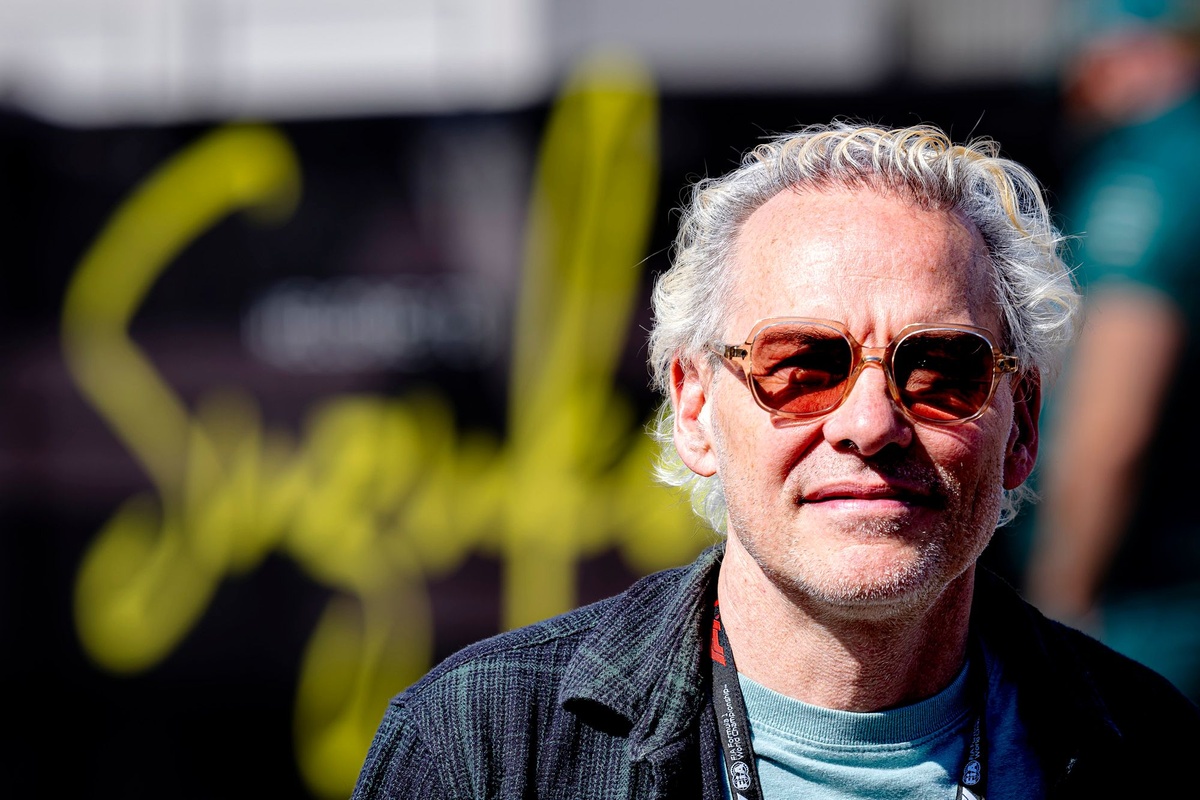
Jacques Villeneuve and W Series champion Jamie Chadwick agreed on Sky Sports F1 that the scarcity of female drivers in Formula 1 falls to a numbers game, after Chadwick completed a demanding 32‑lap test in a 2025 Williams FW47.
Williams Test Shows Physical Feasibility
The test took place at the Portimão circuit, where Chadwick, a Williams ambassador, pushed the gearbox’s limits over 32 laps.
She reported that the 2025 machinery “was tough on my neck,” yet she proved that a woman can drive at the top level.
Completed laps demonstrate that any driver who can meet the car’s demands has a chance—assuming seats are available.
Jacques Villeneuve on Numbers, Not Talent
Villeneuve said the “talent pool is small” and that “for 1,000 men, maybe you have one woman trying,” making entry difficult.
He added that the current grid has too few women, not because of skill deficits but because of limited participation.
Consistent with his championship mentality, Villeneuve stresses that widening the pool is essential for future competitiveness.
Jamie Chadwick on Seat Scarcity
Chadwick pointed out that “Formula 3 champions, Formula 2 champions, all struggling to get seats.”
She notes that while the physical test proves capability, the lack of seats in Formula 1 remains the biggest obstacle.
Chadwick expressed optimism that “we’ll see a female Formula 3 champion, a female Formula 2 champion, and ultimately, on the F1 grid fully on merit.”
Pathway to Female Champions
Both drivers foresee a future where women ascend the ladder: from F3, to F2, and then to F1.
Chadwick, who has dominated the W Series, wants more female participation in lower formulas to build a sustainable talent base.
Villeneuve echoes that increases in women’s engagement at all karting levels are a prerequisite for grid parity.
Closing Observation
With a demonstrable physical capability and a clear call for greater opportunities, the conversation now shifts from proving potential to opening doors.
 "
"