
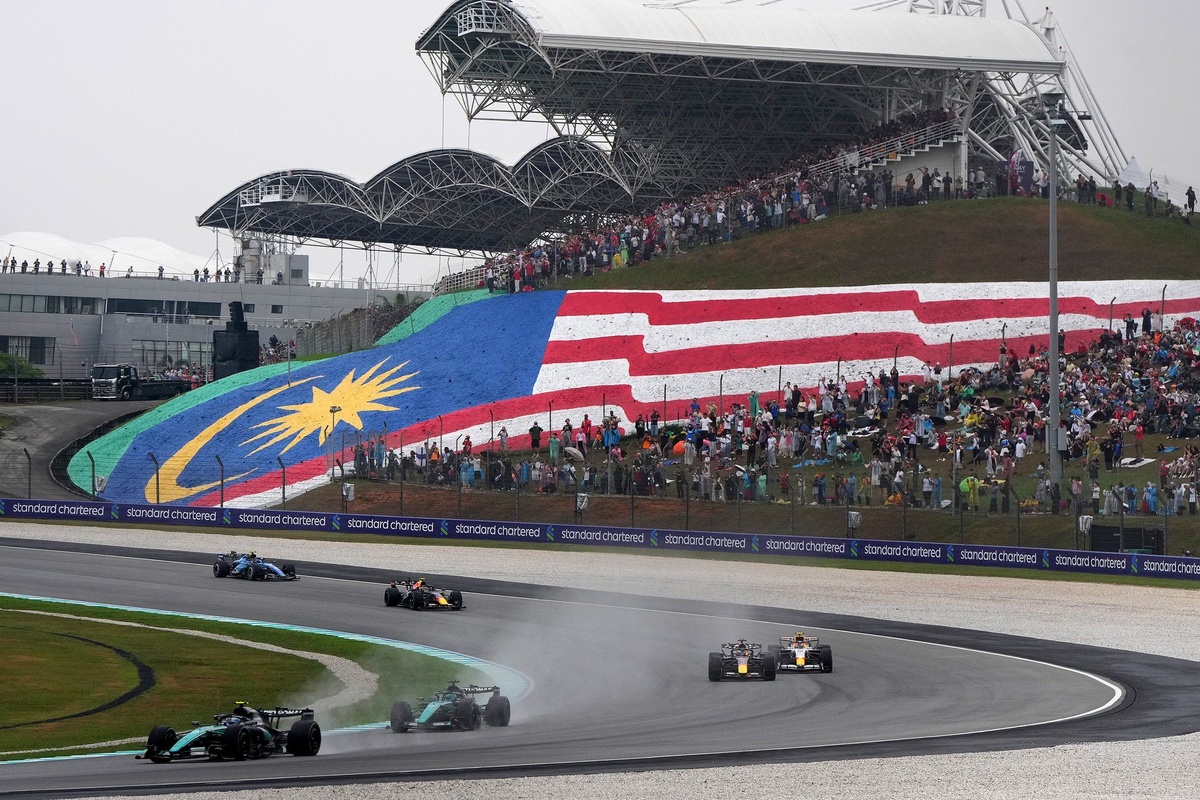
A 40‑minute red flag erupted on the opening lap of the first wet‑weather F1 race of 2026 when a software fault disabled the power unit of several cars behind the safety car at Sepang.
Tombazis details the fault
FIA single‑seater director Nikolas Tombazis told Motorsport.com that a bug in the FIA‑supplied system, refined over years with the teams, triggered the chaos.
“We didn’t test the software as extensively as we would have liked because there’s been very little wet running this year. A combination of circumstances caused this bug to kick in,” explained Tombazis during a post‑race media session.
How low speeds triggered the power clamp
During the formation lap, a cascade of braking led to several cars stalling near safety‑car speeds. The bug caused the engine control unit to lock power at the mandated 250 kW limit, preventing turbo and MGU‑K re‑deployment and making the throttle feel dead.
Drivers reported a sudden loss of command: “My throttle pedal just stopped working,” said Haas driver Oliver Bearman. “It was like it was not connected and the engine was just idling.”
Impact on different engine families
Sources indicate that the fault impacted all internal‑combustion engines at extreme low velocity, although Mercedes‑powered cars appeared marginally less affected. Tombazis clarified that there was no technical bias; the discrepancy depended solely on the speeds reached in the so‑called minisectors.
FIA rushes an emergency patch
In an effort to resume the race, the FIA lifted the 250 kW restriction for the specific minisectors where the bug manifested. The update, rolled out in minutes, required all teams to re‑flash their software before the restart, contributing to the prolonged delay.
“It was a rush job, but we managed it without compromising safety or fairness,” remarked Tombazis. “We didn’t have five days, only a few minutes, yet we succeeded in restoring the race.”
Criticism of testing omissions
Although the software had passed most team‑led checks, the extreme low‑speed scenario behind the safety car had not been examined. Tombazis conceded, “We would have caught this if we had tested under those traffic conditions.”
Given the high probability of safety‑car balls in rainy races, the failure highlights an oversight in the FIA’s pre‑race preparation protocols.
The incident raises questions about future software verifications, especially for emergency power‑management functions, and underscores the importance of low‑speed simulation to prevent similar disruptions.
 "
"