
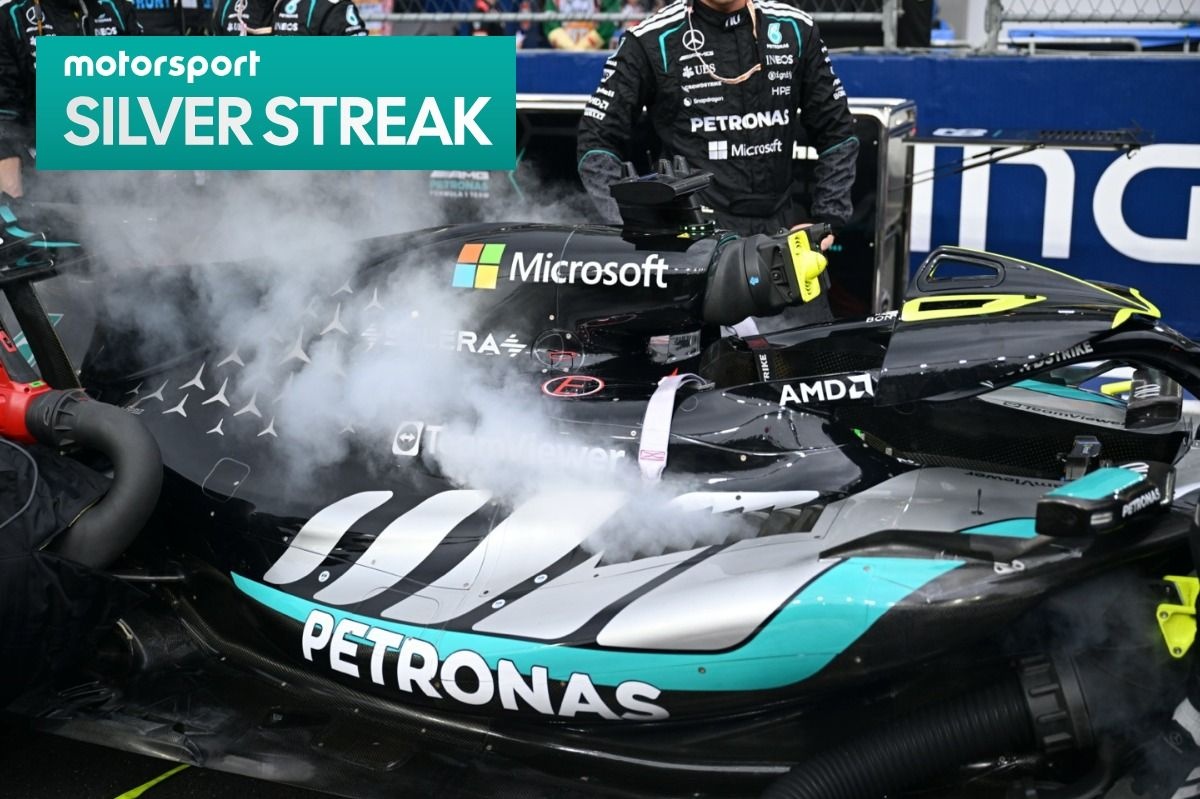
Mercedes’ decision to slot George Russell’s next engine‑penalty into the electrified Las Vegas Grand Prix means the driver will once again begin from the back, but with a fresh power unit and a track that favours overtaking.
Choosing the right battlefield
Speaking to Sky Sports F1, Russell acknowledged that a penalty is unavoidable and that “we have the choice to take it when we wish”. He added that the team prefers “easier tracks to overtake at” and singled out the Strip as the best candidate. A 1.9‑km long straight, only 90‑degree corners and the advantage of a unbroken aerodynamic run make Las Vegas a drag‑strip style arena where a newly upgraded engine and DRS can break through the field more convincingly than in two‑hour, technically challenging circuits like Singapore.
Late‑season power‑unit push
Mercedes is preparing an additional power‑unit element for the closing weeks of the season. After running split setups in Singapore, where Andrew Shovlin dubbed Kimi Antonelli’s W17 “clearly the faster of the two”, the squad is committed to ensuring that both drivers have optimal machinery for the final races. Antonelli, leading the constructors’ points, can focus on defending his 102‑point advantage, whereas Russell’s schedule is dominated by testing, component cycling and penalty management.
Implications for the remaining calendar
Delaying the grid drop to Las Vegas preserves potential points in Austin, Mexico City and Interlagos—races where overtaking is more restricted and track position carries higher value. If Russell starts from the back in Vegas with a fresh engine, he could chase the most engaging finish of the year, a promise that keeps the team’s morale high while mitigating point losses in the earlier, tighter venues.
With the strategy set, the 2026 season’s final showdown will unfold under the neon lights of the Strip, where performance, timing and a licence‑king’s circuit may finally tip the balance in Mercedes’ favour.
 "
"