
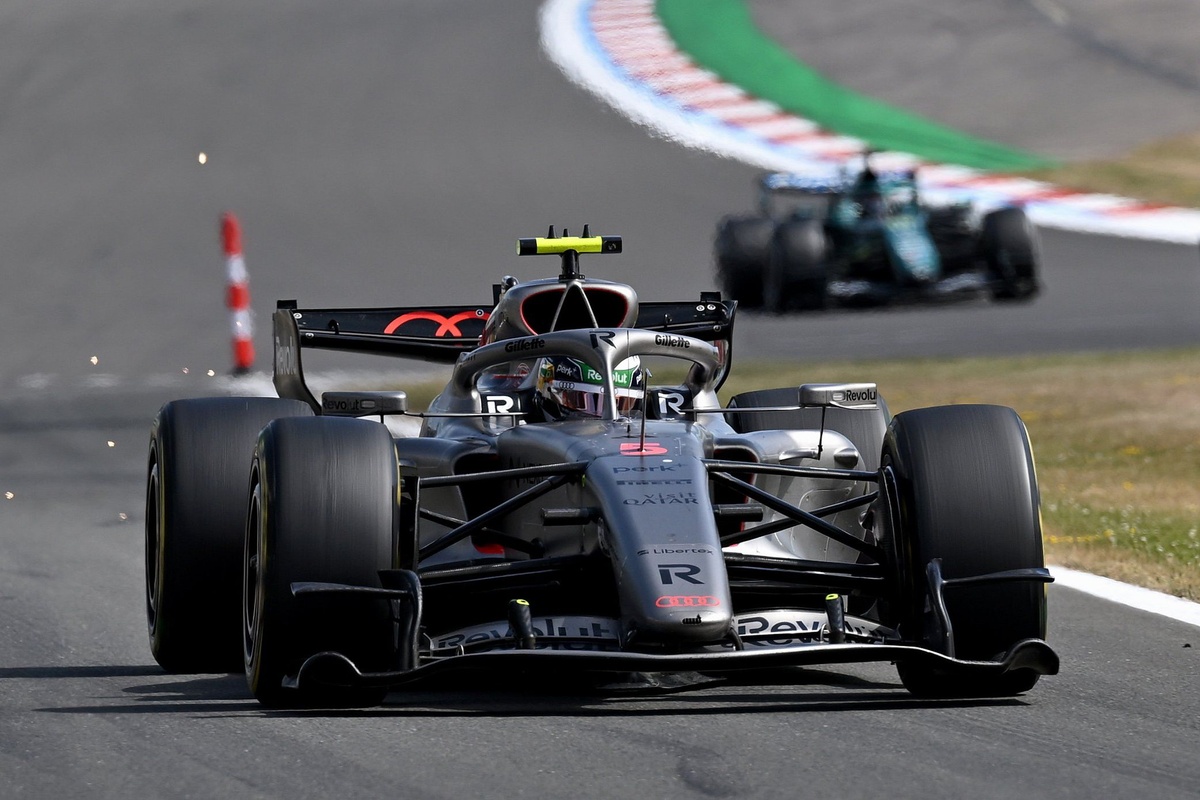
Audi’s Formula 1 chief Mattia Binotto declared that the next‑generation engines of 2031 must prioritize efficiency, even if the sport eliminates turbochargers.
Efficiency Remains the Core of Audi’s Formula 1 Vision
During an exclusive interview with Motorsport.com, Binotto stressed that the technology which delivers high‑performance in road cars—particularly the twin‑turbo V8 showcased in the Nuvolari concept—will also need to translate into the most efficient power units on the track.
“Efficiency is not a buzzword for us,” Binotto said. “It means reducing fuel consumption, lowering emissions, and ensuring that motorsport innovations can feed back into production vehicles.”
FIA’s 2031 Road Map and the Push for Simpler Engines
FIA president Mohammed Ben Sulayem is urging the regulator to apply the new power‑unit rules a year early, targeting 2030. The proposal focuses on a shift to lower‑cost V8 engines complemented by smaller electric components, powered by advanced sustainable fuels.
The federation is also exploring a “white‑label” third‑party power unit that could offer independent teams a standard option, potentially easing the burden on manufacturers. Such an arrangement would echo the Cosworth model and give the FIA stronger leverage over the industrial side of Formula 1.
Turbos Still on the Table for Audi
Despite the industry’s consensus on simplified engines, Audi is holding out for turbocharging to remain in the 2031 formula. The company has long championed turbo‑charged engines across its road‑car lineup, and Binotto argues that retaining these units would keep the sport technologically relevant.
Audi’s CEO Gernot Dollner and Binotto are both vocal about the need for a collaborative, non‑compromise solution, underlining that manufacturers and the sport must intersect for mutual progress.
Looking Ahead: The Balance Between Cost, Complexity, and Performance
With the FIA potentially unilaterally enforcing the new regulations in 2031, Audi warns that a hard stance on banning customer teams could alienate key OEMs that have joined the sport in recent years.
Binotto remains hopeful that regulators and manufacturers will converge on an engine design that is “highly efficient but still less complex, lighter and affordable.” The challenge lies in marrying the sport’s competitive spirit with the realities of modern automotive engineering.
 "
"