
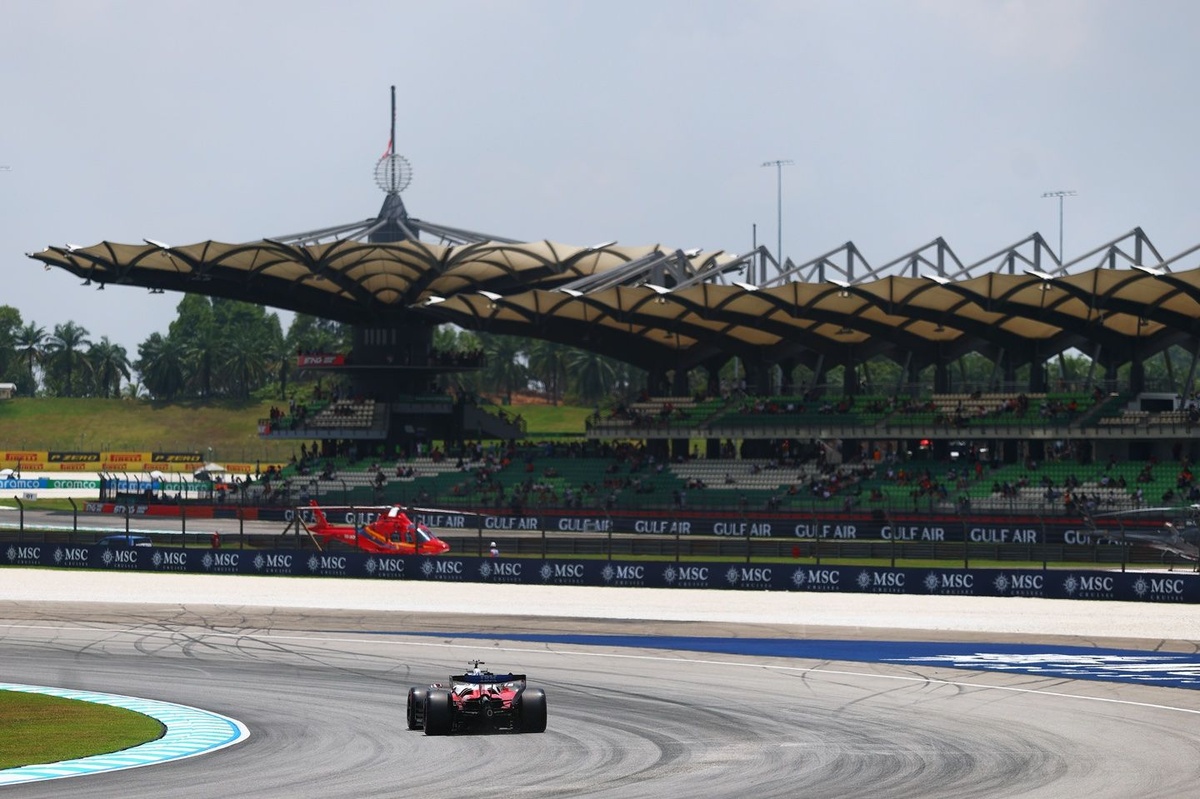
Formula One Still Awaits Its First 2026 Wet‑Weather Race
Despite reaching its 16th round, the 2026 Formula One calendar has yet to deliver a wet encounter under the new FIA rules.
FIA Tightens Hydrodynamic Protocols
The governing body raised intermediate tyre blanket temperatures, imposed a power cap, and prohibited boost mode when rain appears.
These measures aim to address safety concerns raised by drivers and teams in prior qualifiers.
Drivers Speak on Track‑Side Risks
Alpine’s Pierre Gasly called the season’s potential rain “dangerous” and identified Sepang International Circuit in Malaysia as the most viable venue.
Gasly noted Sepang’s rough surface, high ambient temperature, and elevation changes would help clear standing water quickly.
McLaren’s decision to start 2024 Canada from intermediates proved ill‑timed when rainfall failed to materialise.
Isack Hadjar echoed the apprehension, labeling wet conditions under the updated regime as hazardous.
Pirelli’s Test‑Track Preference
Chief tyre engineer Simone Berra said Sepang offers the best conditions for wet‑weather tyre data.
Pirelli’s previous test in Montreal, described as a “perfect storm,” highlighted not enough heat for intermediates, whereas Malaysia’s heat could cause overheating if the rain drops.
Berra emphasised that a full‑wet tyre would be the natural choice in Sepang’s monsoon‑style conditions, yet overheating remains a concern on the hot, uneven asphalt.
Implications for the 2026 Grid
Weather‑dependent adjustments to tyre strategy and power limits could reshape team tactics for any future wet race.
Teams will remain cautious about overstretching full‑wet tyres for the Kuala Lumpur circuit while collecting crucial data for tyre development.
Only the next round will reveal whether the season’s highly anticipated wet session materialises.
 "
"