
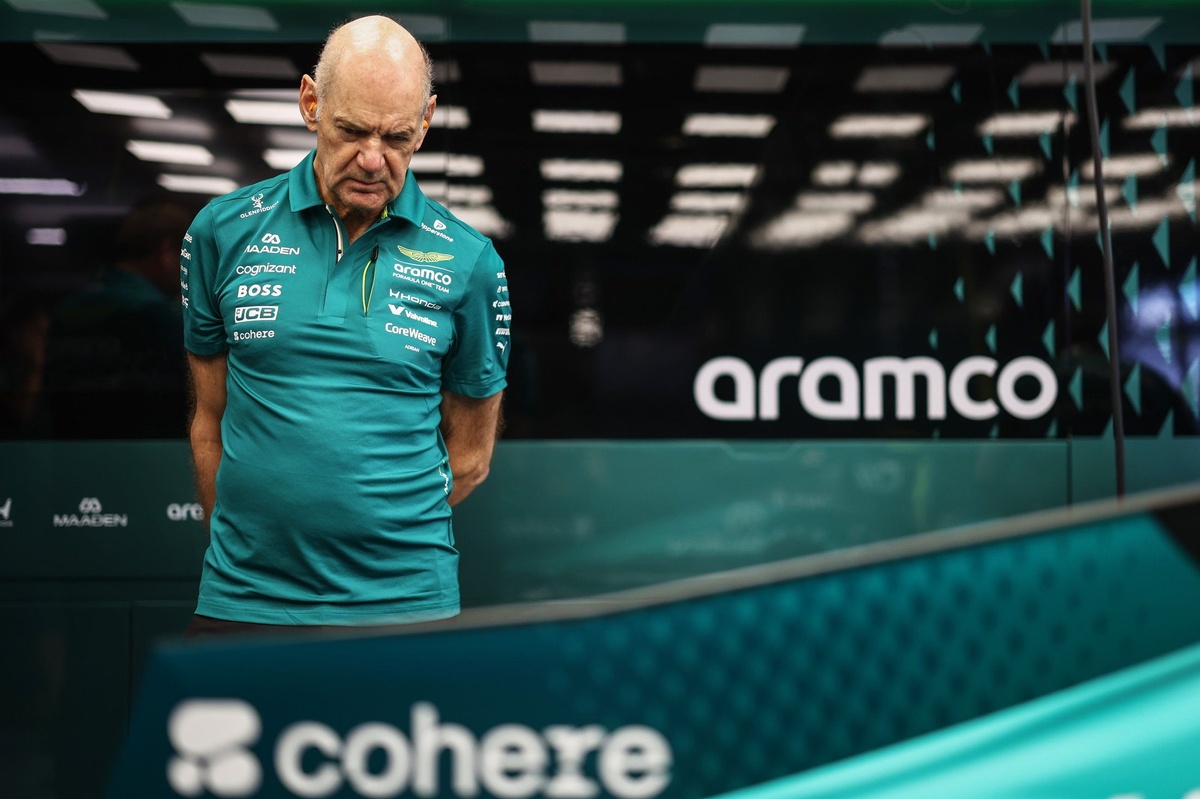
Ready to shake up the midfield, Aston Martin unveiled a 16‑part aerodynamic upgrade for the Hungaroring, completing a painstaking redesign of the front nose, floor, side‑pod inlets and high‑rear elements.
Evolution on the Same Chassis
Adrian Newey calls the package an evolution rather than a revolution. The car’s core chassis, layout and front suspension remain unchanged, so the focus is purely on aerodynamic efficiency. The new nose is longer and more tapered, the floor is redesigned from scratch, and side‑pod inlets are revised for cleaner airflow.
Strategic Timeline and the Brackley Delay
Newey admitted the team missed the early wind‑tunnel window that other manufacturers enjoyed. A two‑week pause allowed Aston Martin to commission its own facility, but the benefit was a delayed start to the 2026 season. The 16‑piece upgrade is only the first phase, with further steps scheduled for Zandvoort, Monza and Baku.
Restoring Respectability, Not Speed
Mike Krack has set the paddock objective simply to “go racing again,” recognising that neither driver has finished a race in recent rounds. Newey says the best the upgrade can do is bring a respectable pace “and restore respectability.” He acknowledges it will not make the car the fastest, but it is a significant step forward in a season that tried to begin on a “nightmare” note.
Suspension Failure and Reliability Focus
On first practice in Budapest, Lance Stroll’s rear‑left suspension failed. Newey explained the failure was unrelated to the upgrade, as the area involved was unchanged. A short spares stock and minor side‑pod changes may have contributed, but the root cause is still under investigation. The team has ruled out kerb impact as the source of the problem.
Honda‑Led Oscillation Issue
Vibrations that returned after the upgrade remain a separate concern. Newey deferred to Honda for details, noting the power unit manufacturer is analysing oscillations in the data and working on a solution.
With the upgrade in place, Aston Martin moves toward Zandvoort’s first‑day challenge and the larger race‑craft tests at Monza and Baku. The focus remains on incremental aerodynamic gains, reliability, and a return to front‑wheel motion while still chasing performance parity in a season that began in crisis.
 "
"