
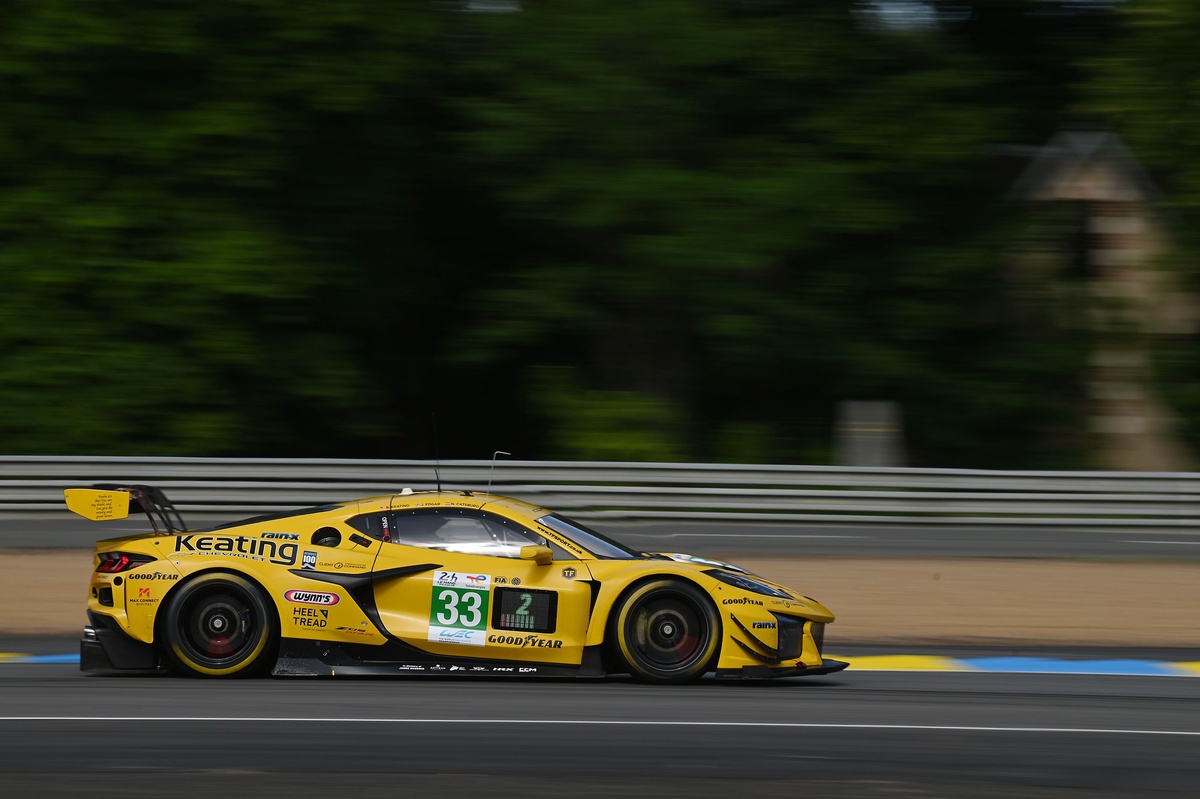
Ben Keating, Le Mans 24‑Hour champion, declares that purpose‑built GT3 cars such as the Toyota GR GT3 mark the correct evolution for the category.
Manufacturers turning to race‑first design
Automakers including Mercedes, Toyota and Genesis now prioritise racing specifications over road‑car compatibility when developing new GT3 chassis. The resulting vehicles are tailored to track performance, with the production model fashioned after the race version rather than vice‑versa.
Keating’s endorsement of the new wave
Keating cited his 2019 GTE Am victory in a Ford GT—intended mainly for competition—as evidence that a race‑focused approach can succeed. He added that the Toyota team’s philosophy aligns with his view that starting with a race car yields the best performance and regulatory compliance.
Matt Bell’s warning about cost escalation
Matt Bell, a seasoned GT3 commentator, argues that purpose‑built cars diverge from the original spirit of GT racing. He fears that escalating development costs could erode the accessibility of the class, concluding that Balance of Performance (BOP) must remain strictly enforced to preserve fair competition.
Historical shifts in GT regulations
Since its 2001 introduction by SRO chief Stéphane Ratel, GT3 has become the default production‑based grid. Earlier GT1 and GT2 (later GTE) championships collapsed under rising costs, while the Hypercar class now phases out GTE, emphasizing the need for cost‑controlled formulas.
Looking ahead for GT3’s future
Keating’s positive stance on the Toyota GR GT3 contrasts with Bell’s cautionary perspective, but both agree that industry‑driven innovation must stay within regulated boundaries. As the sector navigates these changes, the balance between performance and affordability will determine the next decade of GT3 racing.
 "
"