
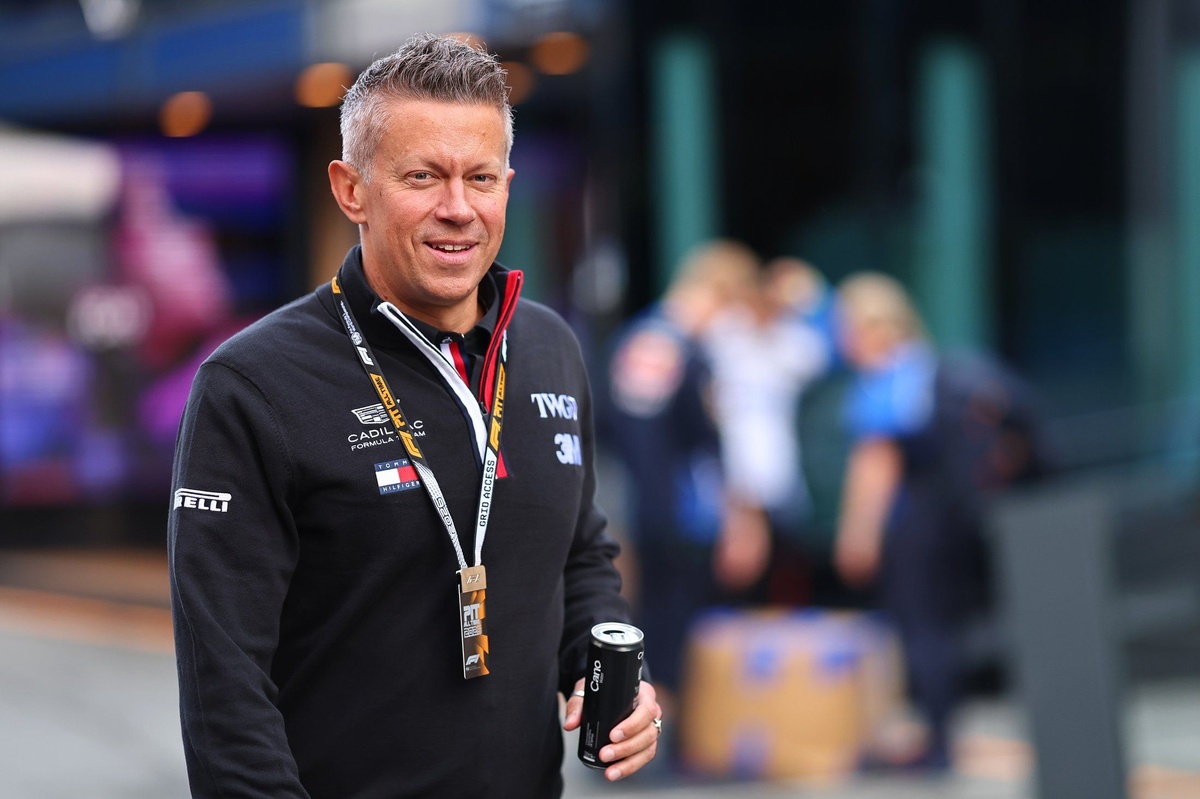
Cadillac F1 team announced Marcin Budkowski as chief in a mid‑season shake‑up designed to slash build‑quality failings and pump momentum into its new programme.
Leadership Overhaul
Founded by Graeme Lowdon, Cadillac F1 seized a one‑year window to assemble a 400‑strong outfit across Silverstone and a North Carolina HQ, thanks to TWG Motorsports and CEO Dan Towriss.
Yet drivers Valtteri Bottas and Sergio Perez grew frustrated, citing missed deadlines and brake failures in Hungary that jeopardised on‑track stability.
Towriss leveraged his authority to replace Lowdon with Polish engineer Budkowski, a 49‑year‑old veteran of Ferrari, McLaren, Renault and the FIA, on the morning of the public announcement.
Lowdon, who orchestrated the team’s rapid launch, was thanked by both drivers and the management team, demonstrating a commitment to collaborative gratitude amid upheaval.
Technical Challenges and Immediate Focus
Budkowski immediately identified brake cooling and material selection as the most urgent reliability concerns, noting that “mistakes were made in design and materials that require correction.”
He highlighted how rookie talent, while bright, lacked the depth of experience that shaped the DNA of successful factory rival teams.
“Teams build collective knowledge; we have none of that in the current group,” he said, adding that accruing lessons from the 2026 car will inform the 2027 launch.
Short‑term priorities include tightening diffuser, wing and bodywork precision, elements the team acknowledges are responsible for discernible lap‑time gains in qualifying and race trim.
Driver Reactions
Valtteri Bottas admitted the change was “surprising” but praised Lowdon for laying the foundation, and welcomed Budkowski’s entry as “technical expertise” needed to advance performance.
Sergio Perez followed suit, stressing the historical impact of Lowdon on Cadillac’s development and expressing confidence that a new leader would accelerate progress.
Facilities and Underlying Structure
Budkowski’s first day coincided with the opening of a brand‑new Silverstone facility, a significant upgrade from the previous provisional setup inside the circuit enclosure.
He described the new site as a “step up” that will support higher standards of component manufacturing and testing.
Looking Toward 2027
While acknowledging that the 2027 car will likely benefit most from a broader development cycle, Budkowski maintains that 2026 will still see “lower hanging fruit” corrected, notably in brake reliability and overall build consistency.
He emphasises that any 2026 adjustments must not compromise the projected jump in performance that the 2027 chassis promises.
Next‑Year Outlook
Given the cramped timeline for the 2027 project, Cadillacs strategy depends on consolidating knowledge quickly and ensuring driver‑specific feedback loops are reliable.
As the team settles into new leadership and infrastructure, the expectation is that they will close the performance gap that currently relegates them to the back of the grid.
Editorial Note
Cadillac’s bold leadership pivot comes at a time when every minute of development cost painfully short on the track can swing a championship’s balance; the true test will be whether the new chief and his team can translate groundwork into podium‑ready machinery.
 "
"