
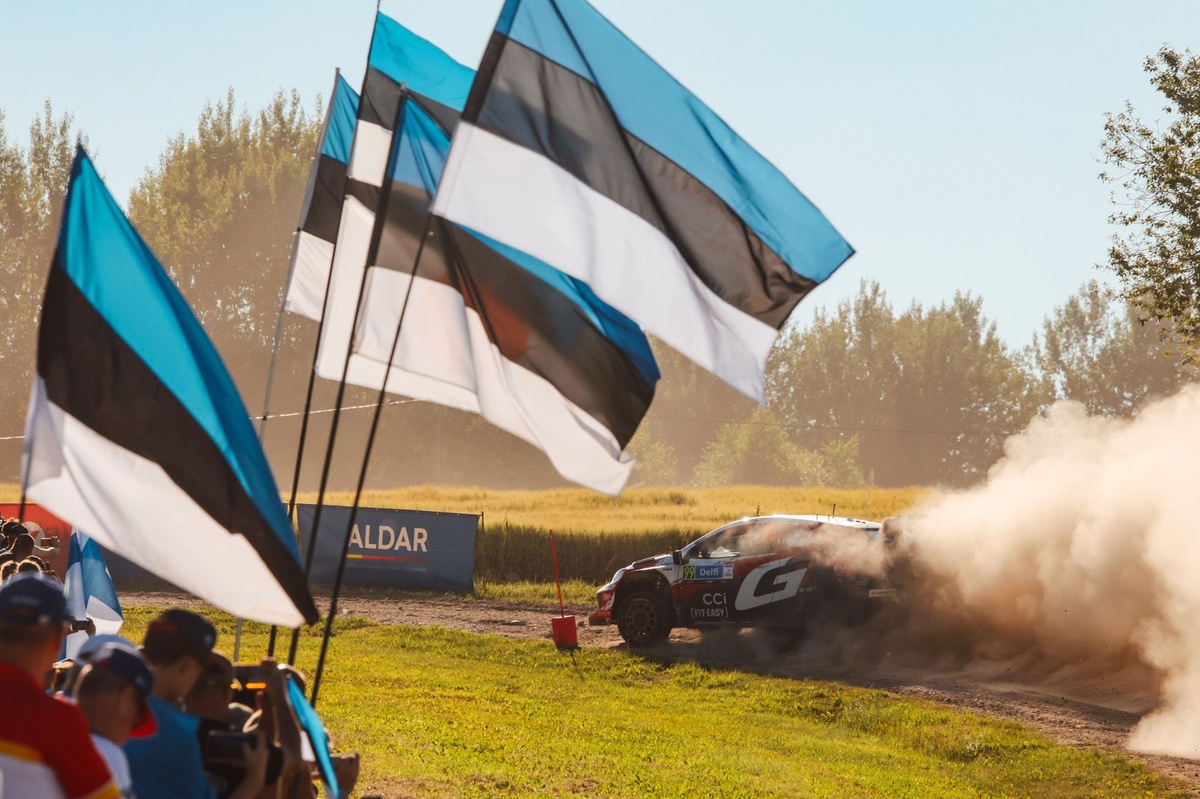
Rally Estonia’s debut of a 50‑hour, 300‑km rally format has now secured driver endorsement across the World Rally Championship.
Compressed Calendar and Stage Layout
Traditionally 300 km of gravel routes were spread over two full days, but organisers packed the shells into a single, 50‑hour window. Crews arrived in Tartu later than usual, pushing reconnaissance to Wednesday and Thursday. A fan‑flying demonstration closed Thursday evening, which the city welcomed enthusiastically.
Friday began with a shakedown, followed by six afternoon stages with a tyre‑changing zone. After the FIA‑mandated 10‑hour rest, Saturday delivered nine rapid stages that ran until late night. Sunday’s itinerary consisted of two passes of the 24.39 km Kaariku road, starting 2½ hours later than the Greek event’s opening time.
Driver Reactions
Sebastien Ogier called the format “fantastic” and praised the reduced road time, which allowed more effective overnight recovery. “It’s a bit less load for everyone,” he added, noting the rally’s compact nature as a model for future rounds.
Thierry Neuville praised the adaptation, remarking that the 300 km goal was achieved with stages closer together. “It worked out fine for me,” he said.
Adrien Fourmaux suggested shaving Saturday further to extend Sunday’s “Super Sunday” points haul, warning that two 10‑point stages felt “a little bit too much.” Josh McErlean acknowledged a tighter Saturday but liked the demo, hinting that small adjustments could refine the format.
FIA’s View on Cost and Welfare
Emilia Abel, FIA road sport director, highlighted that the format saved money for organisers and staff. “Every day without a stage helps with cost saving, and the rest hours are now reasonable for crews and marshals.” She stressed that the rally’s finish doesn’t leave teams only thinking about sleep.
Is Rally Estonia Home‑Free for the 2027 Calendar?
After a successful stretch since 2021, Estonia’s future in the WRC remains uncertain. The 2024 event slid to the European Rally Championship, with Latvia taking the slot. New entries, such as Rally Scotland entering the 2027 program, and a potential shift where Rome replaces Sardinia, could push Estonia out.
Abel reported ongoing discussions with promoters about the 2027 calendar, pending approval at the August FIA World Motor Sport Council. She noted the popularity of the event, drawing spectators from Latvia, Lithuania, Poland, and Czechia, yet left the outcome pending a September announcement.
As the WRC reshapes its global footprint, Rally Estonia’s innovative 50‑hour test sits as both a cost‑saving blueprint and a benchmark for competitive balance, with drivers and officials alike eyeing the next evolution of rally format.
 "
"