
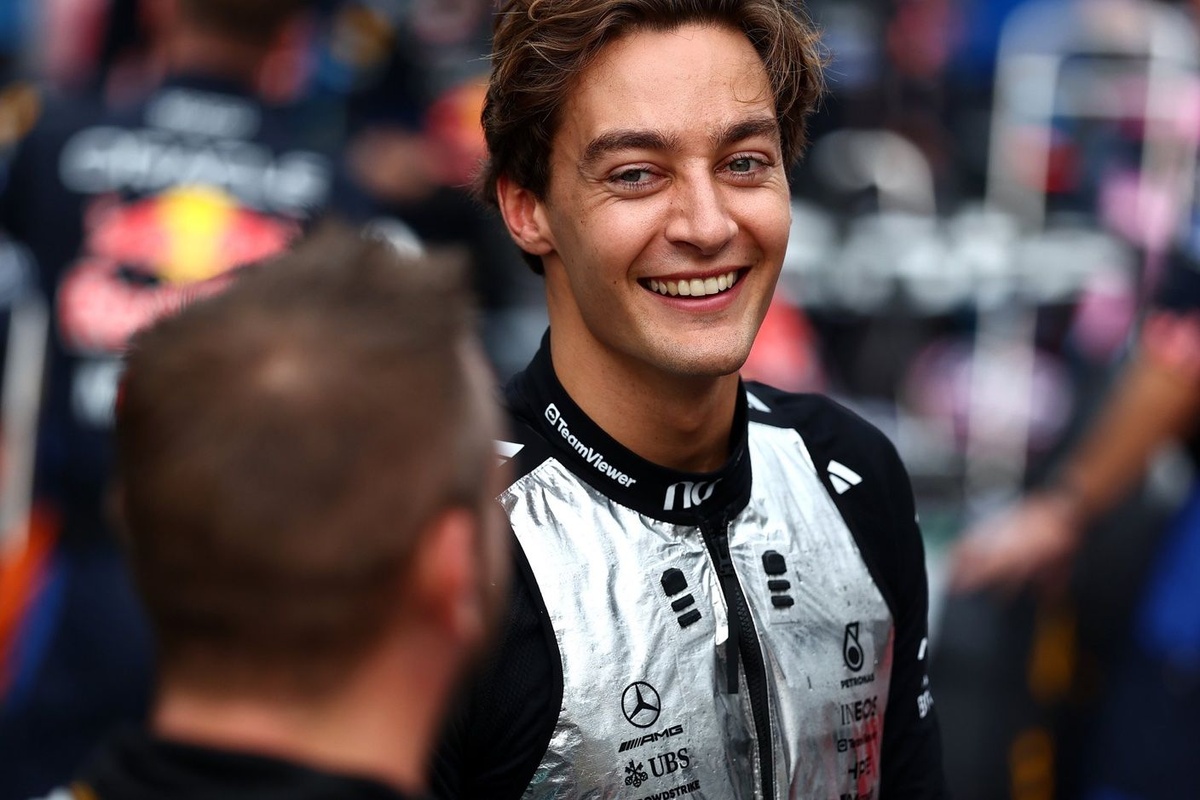
F1 drivers have erupted over the cooling vest rule as 2026 heads toward its fourth heat‑hazard race.
The Heat‑Hazard Rule
After the 2023 Qatar Grand Prix saw several drivers collapse from heat exhaustion, the FIA and teams collaborated on a water‑circulated vest. When race temperatures are projected over 31 °C, the FIA classifies the event as a heat hazard, mandating the vest or a 0.5 kg ballast in the car.
The original vest struggled beyond a handful of laps and was criticised for cockpit discomfort. To spur improvement, the FIA offered a 50 k USD cost‑cap exemption for a full‑duration system, and a 75 k USD allowance for comfort upgrades.
Bootstrapped Innovation
Mercedes’ George Russell said the team would not chase a bespoke vest, arguing the extra engineering effort would detract from making the W17 quicker. “Any human resources spent on a vest hamper car development,” Russell explained in The Times.
Mercedes also noted it would rather allocate budget to performance gains than comfort measures that are only needed sporadically during race weekends.
Drivers’ Split Views
Max Verstappen dismissed the vest entirely. “I’m not a sauna,” he said in Singapore. “The cables restrict movement, and the vest never keeps you cool long enough. I refuse it.”
Isack Hadjar echoed the sentiment. “It should be banned; it’s supposed to be tough,” he remarked, adding that the vest’s in‑car cables were a nuisance.
“For me it’s not needed… Even if it worked for one and a half hours…” – Isack Hadjar
Alpine’s Franco Colapinto also expressed discomfort. “I don’t like it. It isn’t comfortable.”
Kimi Antonelli from Mercedes avoided the vest after two disastrous attempts last year: a premature failure and a pump that ran at 50 °C, leaving him heat‑stroked. Antonelli said he prefers to train hard rather than rely on an unreliable vest.
“I’d welcome an improved solution, but I’m happy to focus on training.” – Kimi Antonelli
Ferrari’s Charles Leclerc chose the imperfect vest over none, valuing any periods of 15‑20 laps that remain cooler. “If it works for a while, I will take it,” Leclerc stated.
Williams’ Carlos Sainz championed the vest. “We prioritised it more than Mercedes, and it’s now working better than ever,” Sainz said.
Haas’ Esteban Ocon noted a performance edge, despite the vest only lasting around 40 minutes. “It’s a massive physical performance gain, even though it doesn’t finish the race.”
Team Prioritisation
Input from several teams shows that while safety remains the governing body’s focus, drivers and teams differ on whether the vest’s benefits outweigh its drawbacks. Mercedes has chosen not to invest in a new system, whereas Williams and Haas have pursued bespoke solutions with varying degrees of success.
Back at the paddock, drivers prepare for another high‑temperature round, the current debate underscoring how comfort, performance, and regulation intersect on the track.
 "
"