
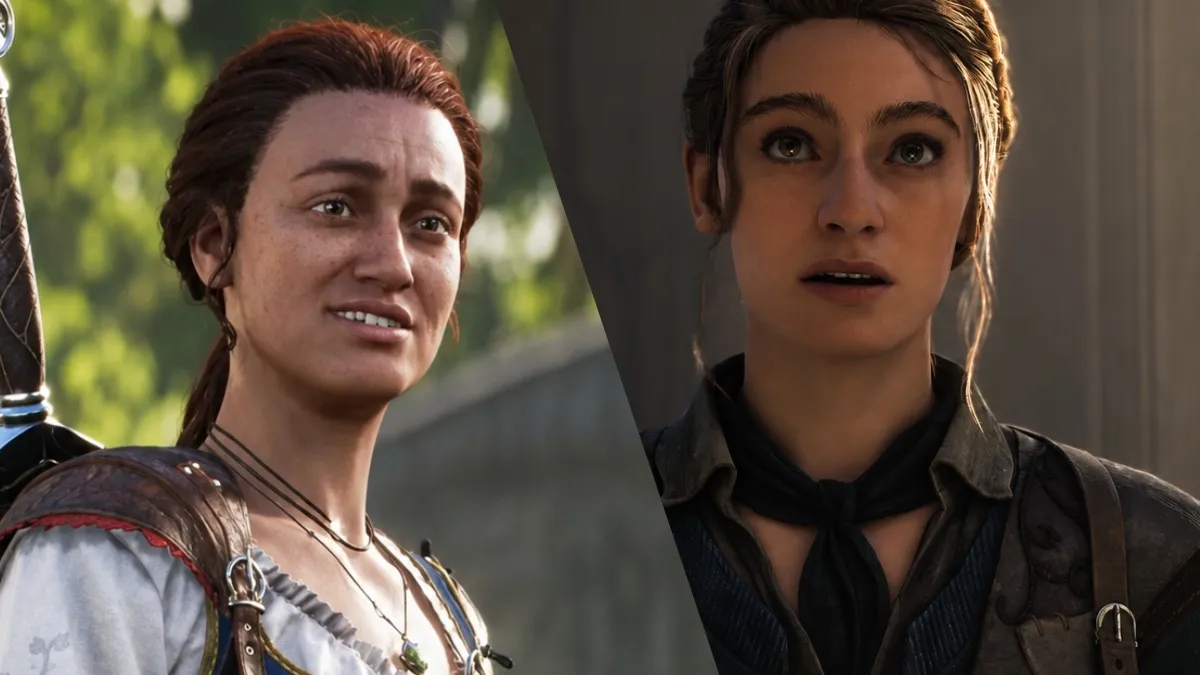
Xbox’s latest teaser for the upcoming Fable launch at Gamescom reveals a complete overhaul of the game’s female avatar, a change that addresses the long‑standing criticism over the original character’s appearance.
Xbox Tweaks Fable’s Female Avatar
Short clips posted on Xbox’s social channels show a softer, more refined face with reduced freckles and a friendlier expression. The redesign follows the company’s earlier claim that a character‑creation system would satisfy users, but negative remarks from the first teaser had persisted in every discussion thread.
By easing the facial structure and eliminating exaggerated detail, the new model presents a more appealing and approachable design. Xbox’s marketing team explicitly cites a desire to curb pre‑launch backlash as the main reason for the change. The emphasis on a softer aesthetic aligns with current industry trends that favor relatable, less stylized protagonists.
Community Reaction to the Redesign
Gamers responded positively to the new look. One comment on the Xbox thread mentioned a pre‑order commitment directly tied to the updated character. Other users echoed this enthusiasm, expressing that the improved aesthetic had softened their earlier reservations. The ripple effect of such a response indicates a successful shift in public perception ahead of the Gamescom showcase.
As developers grapple with character portrayal, Fable’s pivot demonstrates a clear link between design choices and reception. The discussion reflects broader concerns that feature an ongoing debate over whether developers deliberately opt for “worse‑looking” characters to provoke discussion.
Why Character Design Matters for Launch
This redesign underscores the importance of front‑load character design decisions. Even before a title’s release, negative press can spread quickly across social platforms, impacting potential sales and reviews. Xbox’s proactive solution—updating the avatar—serves as a case study for managing quality perception through visual refinement.
When games release, an appealing, believable protagonist can reduce negative marketing noise, while a flawed design may amplify criticism. Fable’s experience suggests that thoughtful character aesthetics play a pivotal role in shaping first impressions, a factor that developers can optimize ahead of high‑visibility events like Gamescom.
 "
"