
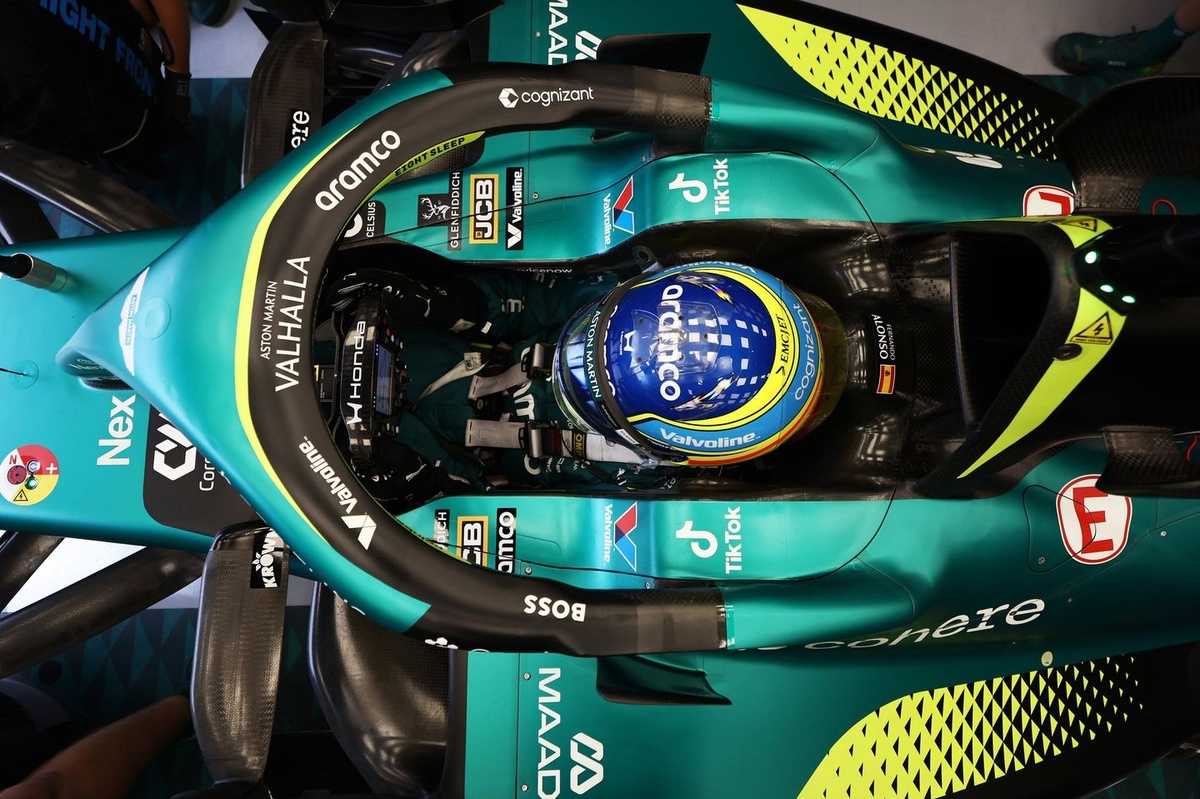
Fernando Alonso pulled into the pits on lap 23 of the Canadian Grand Prix, retiring because a revised cockpit position in the Aston Martin AMR26 caused unbearable back pain.
What triggered the discomfort?
Mike Krack, Aston Martin’s trackside chief, explained that the team’s decision to recline the driver’s seat further than in previous seasons was intended to lower the car’s centre of gravity and reduce helmet turbulence. However, the steeper angle created a pressure point that intensified lap after lap, especially on the vibration‑heavy kerbs at Circuit Gilles Villeneuve.
Alonso reported a growing ache during the race, describing the seat as “increasingly uncomfortable.” He repeatedly shifted his left hand from the wheel toward the cockpit floor, first on the straight before the final chicane and later into Turn 8.
Attempts to remedy the issue
Between Saturday qualifying and Sunday race, engineers tried to adjust the carbon‑fibre moulded seat, which is custom‑shaped for each driver and reinforced with supports. The modifications failed to alleviate the pain, and Krack ruled out a defect in the seat unit itself.
The team concluded that the core problem lies in the overall driver ergonomics rather than the specific seat. “We may have gone a step too far with the recline,” Krack admitted, noting that drivers in recent years have been sitting increasingly low and relaxed.
Looking ahead to Monaco
Aston Martin plans to implement temporary fixes for the upcoming Monaco Grand Prix, while acknowledging that more extensive revisions to the cockpit layout could be required for a lasting solution.
Alonso’s retirement in Montreal marked the team’s first race‑ending incident of the 2026 season, highlighting that even as the AMR26 struggled with power‑unit reliability, driver comfort remains a critical performance factor.
 "
"