
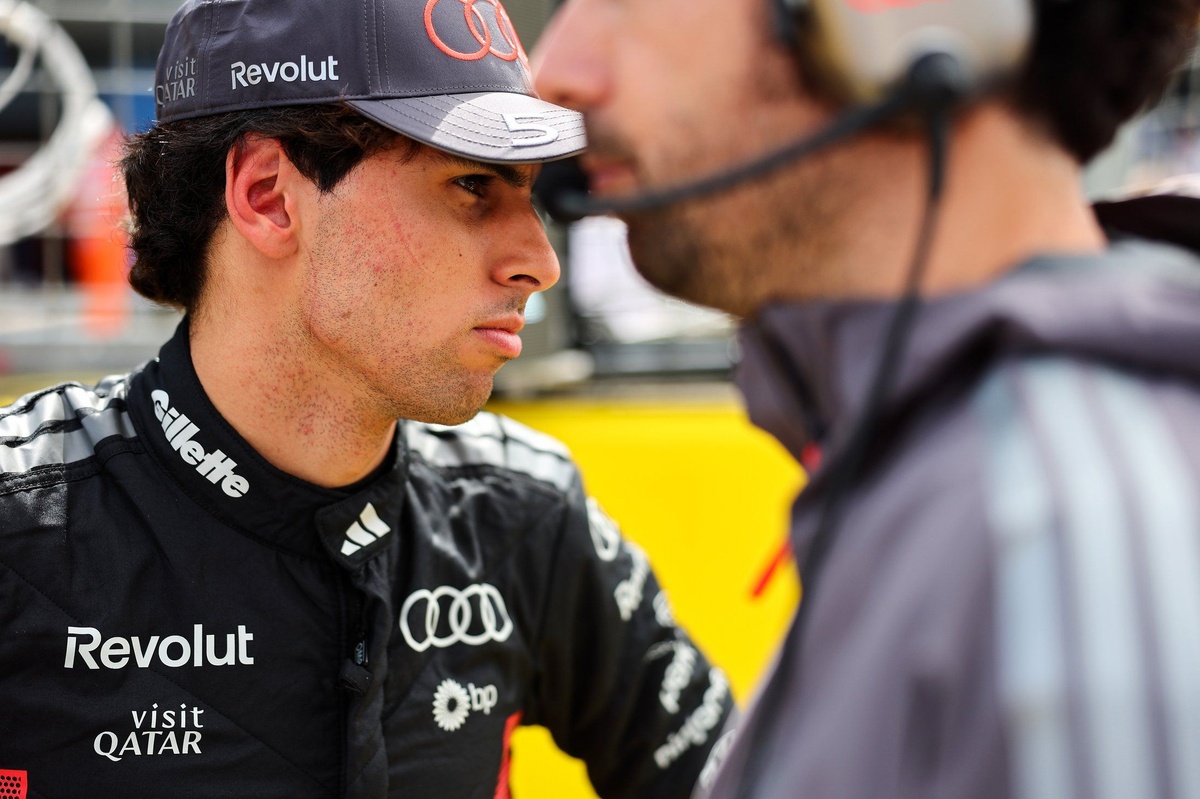
Audi’s Gabriel Bortoleto insists that Formula 1’s new 2026 regulations haven’t stripped the sport of its allure.
Regulatory shift from high‑downforce era
The 2022‑25 framework, in which teams engineered cars to keep near‑flat cornering at blistering speeds, is now replaced by 2026 rules that reduce aerodynamic grip and tighten energy usage.
Energy management tweaks and future plans
Miami’s provisional adjustments limited battery power and boost output, slowing drain, but it is only a modest step. FIA officials will tailor energy use further in 2027 and 2028 by raising fuel‑flow limits and boosting internal‑combustion output.
Tracks that test limits
Silverstone’s demanding high‑speed section has already flagged concerns about consumption, a challenge expected to intensify at Spa‑Francorchamps. Bortoleto noted that speeds through Copse remain 280 kph, proving cars still generate the required grip.
Bortoleto’s call to adapt
After the British Grand Prix, the driver said, “We should turn the page.” He added, “These regulations will stay in force until the end of the decade. We just have to adapt and keep the excitement alive.”
He also mentioned a future switch back to a naturally aspirated V8 after 2030, emphasizing that “the cars are still fun to drive.”
When questioned whether critics should shift focus, Bortoleto replied that if pressure persists, they “simply flip the page.”
While some drivers fear reduced battery capacity may dampen competition, the Audi team remains confident that the sport’s core thrills endure.
As Formula 1 embraces 2026 rules, the true test will be how the sport balances technological restraint with the excitement that fans expect.
 "
"