
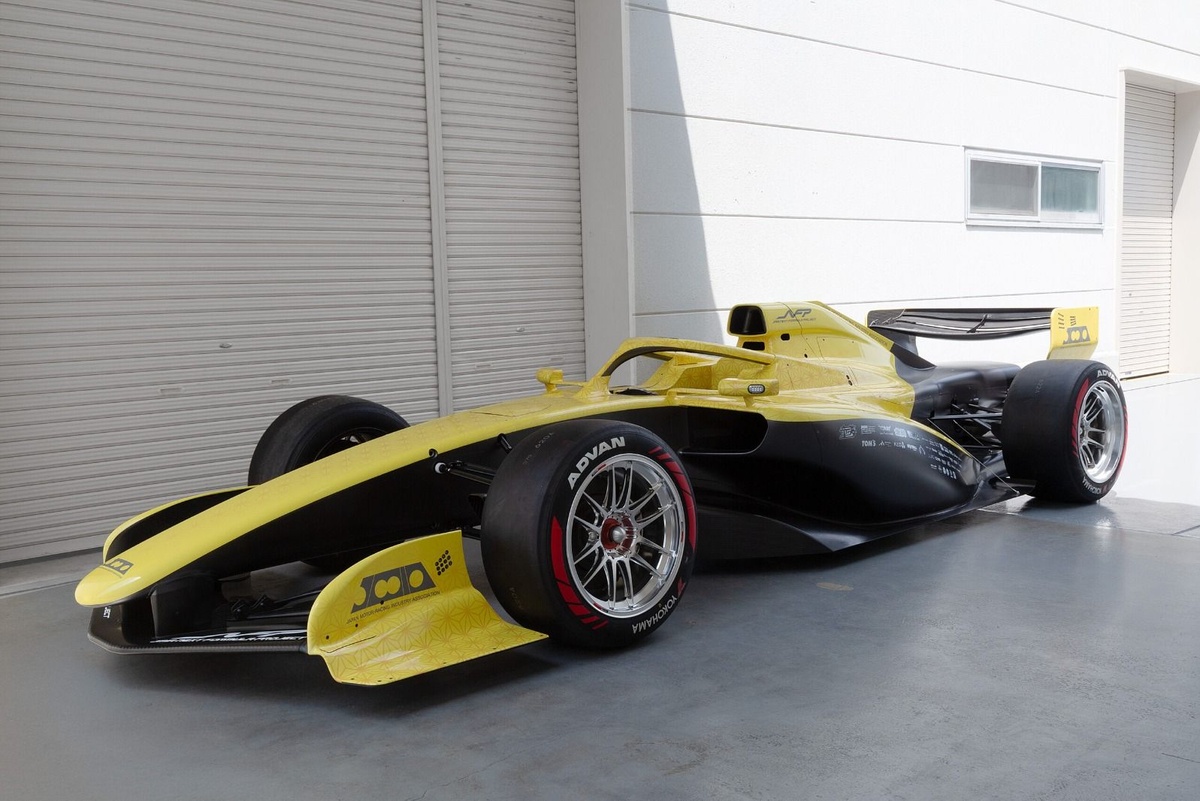
Dome‑led consortium unveiled plans to bolt the first next‑generation chassis into Super Formula, a move that could reshape the series’ engineering landscape.
JNFP‑1: A Prototype Built on F1 Safety
The consortium, backed by the Japan Motor Racing Industry Association’s 80‑member network, introduced the JNFP‑1. Designed with Formula 1 safety standards, the chassis will fit the current generation two‑litre, four‑cylinder turbo engines from Honda and Toyota.
Unlike the existing Dallara SF23, JNFP‑1 uses low‑profile 18‑inch wheels and, at 750 kg with the driver, is 73 kg heavier than its predecessor. Although heavier, the design prioritises durability and safety for the demanding Super Formula calendar.
Collaborative Engineering Across Japan
Dome spearheads the overall design, but the project pulls in a wide array of specialists: Toyota’s TGR‑D, Team Mugen’s M‑TEC, Toda Racing and Toray Carbon Magic (the creators of Super GT’s current GT500 chassis). Together, more than 40 Japanese constructors have contributed their expertise to this prototype.
The first public reveal came during a Yokohama exhibition in May, followed by a showcase at Fuji Speedway’s fourth round. Simulator playtesting began recently with former Super Formula driver Kazuya Oshima, and an on‑track debut is slated for the coming months.
Industry Leadership Weighs the Path Forward
JRP president Yoshihisa Ueno commended the prototype’s technical merits but clarified that adoption remains undecided. “Its value doesn’t hinge on whether Super Formula adopts it,” he stated. Ueno stressed the need to secure a grid of 30 cars, balancing safety, supply capability, and cost.
Ueno added that the selection of the next‑generation machine cannot be driven solely by the promoter. Genuine interest from teams and a fanbase craving a fresh racing experience are essential for the chassis to gain traction.
Longevity of the Current SF23 and Future Timelines
Ueno noted that the current Dallara SF23 could remain relevant beyond 2027, as the series evaluates longer‑term chassis options. Production of JNFP‑1 on a scale sufficient to service the full grid could realistically begin between 2029 and 2030, giving teams ample time to transition.
With Japan’s motorsport industry uniting on this ambitious project, the JNFP‑1’s success may signal a broader elevation of domestic engineering capabilities and set the stage for a new era in high‑performance single‑seater racing.
 "
"