
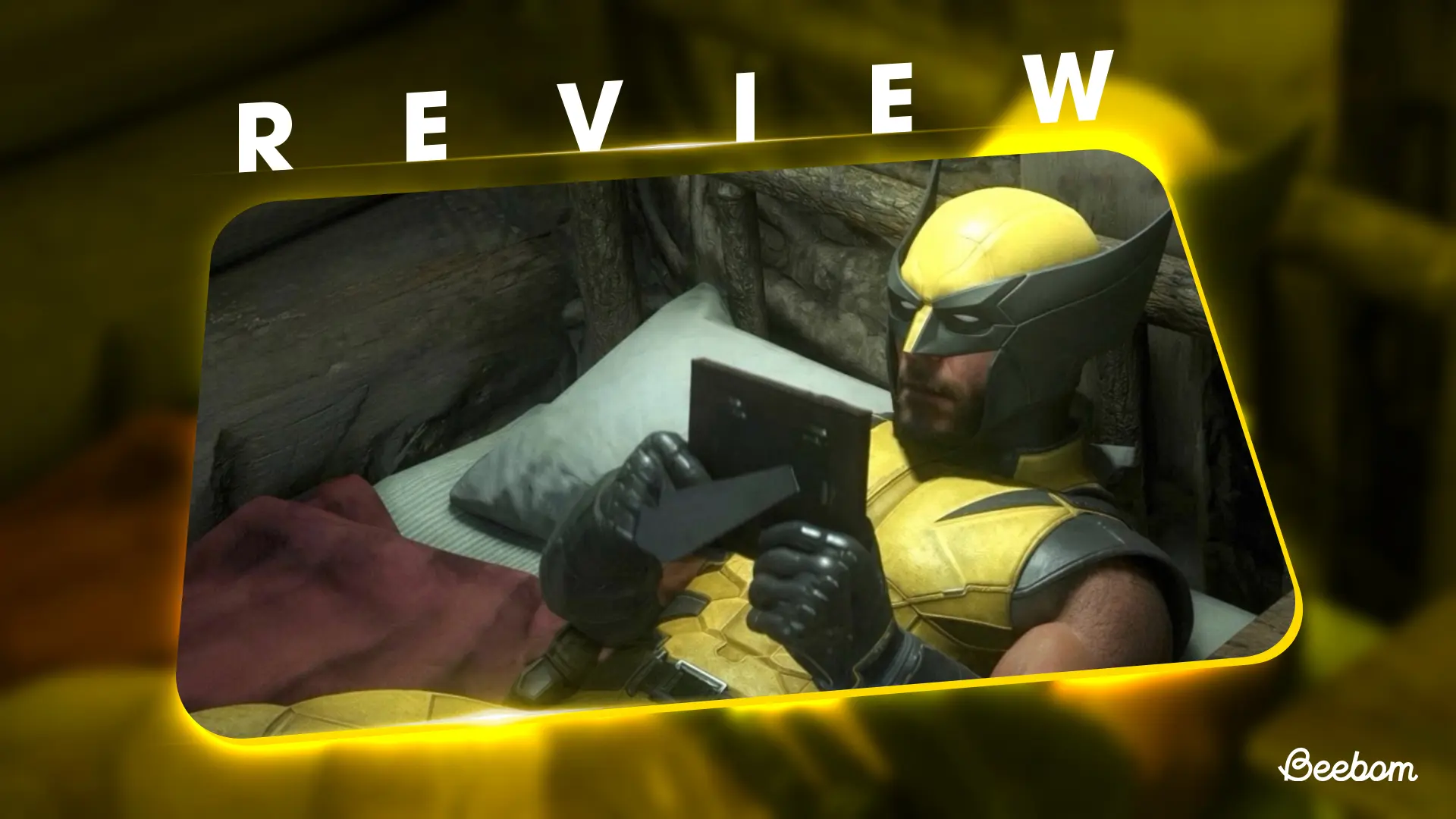
Marvel’s Wolverine delivers crisp, brutal combat and a steady 60 fps performance, but its narrative ambition and restrictive world design reduce its overall appeal.
Rage‑Driven Brawl Mechanics
The attack system harnesses Square and Triangle to ignite combo chains, while a thematic parry system staggers foes for a terminal Barrage that can restore health or fire up the Rage meter.
Special techniques such as Overwhelm and Tornado Spin weave adamantium‑coated swirls to isolate a single target or control chaotic crowds.
Reaching a third‑tier Rage distorts the screen into grayscale, letting Logan execute unrelenting critical strikes that tear enemy limbs from their frame.
The Last Stand ability at Rage Tier two restores value after a fatal hit, allowing players to cling to momentum while also managing a build‑up of adaptability through Nightmare Trials and Whisky Bottle hunts.
Playing the hardest “Best There Is” difficulty requires mastering every mechanic; mere button mashing no longer suffices.
Storyline Overreach and Unpredictable Turns
The first act centers on Logan’s amnesia, tasked with regaining memories while fighting his lethality.
The Helix Engine, a mutant‑awakening device, slots into a plot driven by Nathaniel Essex’s attempt to grow mutant populations, with anti‑mutant forces led by Bolivar Trask battling through Reavers and Sentinels.
Act two dives deeper into Logan’s origins, a departure from the familiar Weapon X lore and a prelude set for the Helix Engine’s eventual claim by Wong, Lady Deathstrike, and a reluctant Apocalypse.
The final act introduces Apocalypse as a mastermind, entwining the Phoenix Force narrative and portraying Logan as the death horseman, which shifts the plot from a personal journey to a full‑scale X‑Men setup.
While the writing’s sheer spectacle offers visual flare, it dilutes the intimate, personal stakes that marked the initial act.
Linear Hubs and Overhanded Guidance
Madripoor, Japan, and Canadian locales win praise for their visual fidelity yet feel hollow, as traversal options such as zip‑lines, launch points, and cliff climbing remain largely unused.
Invisible walls and rigid level boundaries clamp movement, forcing a single‑path progression that underutilizes Logan’s agility.
White paint and cloth markers clutter the waypoints, blatantly guiding players through each reach despite the game’s mature rating.
Blue scent trails, in contrast, appear sparingly when tracking characters or collectibles, offering a subtle cue that respects the player’s exploratory instincts.
Voice Work That Elevates a Flawed Narrative
Liam McIntyre’s portrayal of Logan captures the character’s delicate vulnerability and fierce ferocity, delivering the nuance necessary for a complex mutant.
Krizia Bajos brings compelling chemistry with Logan’s Jean, while Troy Baker’s Mister Sinister and Brett Gipson’s Sabretooth add depth to the antagonist roster.
These performances anchor the experience, preventing the story’s ambition from slipping further into fan service.\
Performance, Graphics, and Release Woes
The base PlayStation 5 edition maintains a consistent 60 fps in “Performance” mode, complemented by ray‑traced reflections across all four zones.
A 1080p display still reveals Logan’s textured skin and rag‑taged suit damage.
Rapid load times, courtesy of the PS5’s SSD, cut setup downtime to ~2 seconds, keeping the rhythm unbroken even between Nightmares and mission replays.
Minor glitches, such as a map‑leak when opening Photo Mode, appear isolated and unlikely to affect the broader runtime experience.
At a premium price of $70, the game sits at the intersection of polished exhibition and creative missteps.
Despite its shortcomings, Marvel’s Wolverine offers a satisfying slice of 15 – 20 hours of brutal action, yet its hefty price may deter those seeking the depth found in Insomniac’s Spider‑Man series.
 "
"