
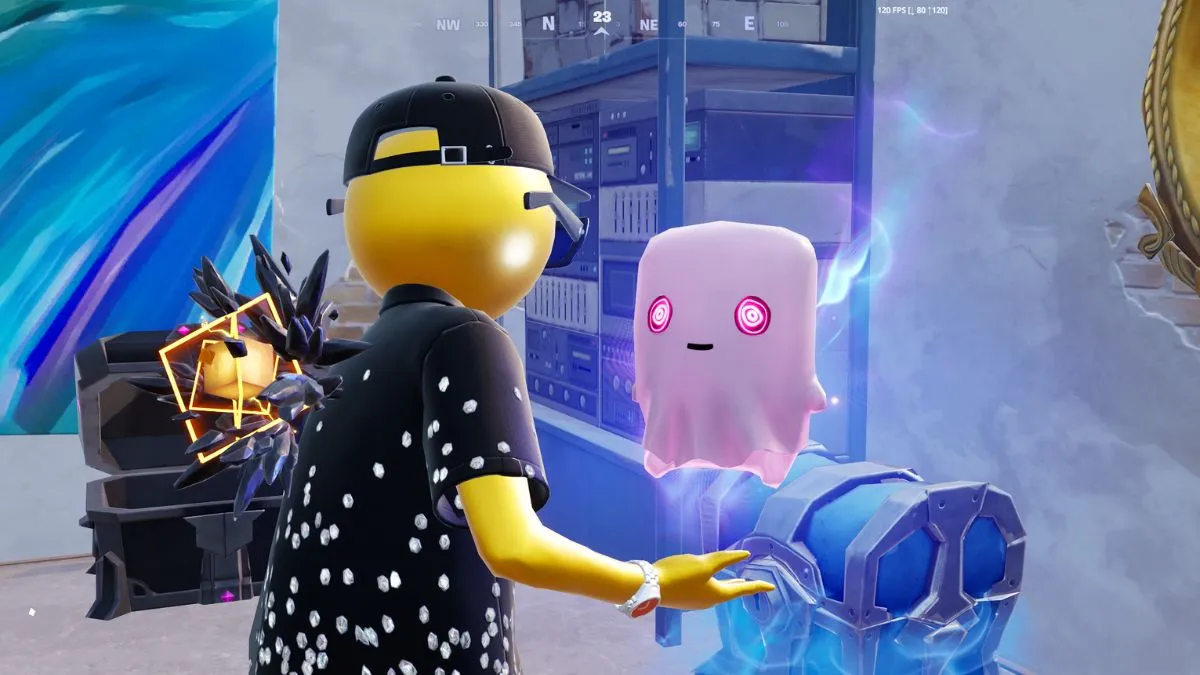
Fortnite Sprite trading now rivals Pokémon Go in popularity, yet it exists on a legally gray territory that can expose players to bans.
What is Fortnite Sprite Trading?
Sprite trading has become the community’s unofficial auction, where tiny elemental creatures earned in battle are swapped to complete collections or secure a Mastered sprite. The practice mirrors the free‑to‑obtain, in‑game items of other mobile titles, but offers no sanctioned or official marketplace.
While acquiring sprites is free, the very act of selling or listing them on sites such as eBay or Gameflip pushes the activity into violation territory, though it is not technically criminal. Epic Games merely treats it as a breach of its Terms of Service.
Image Credit: Epic Games
Legality and Core Risks
Sprite transactions that involve monetary exchange or third‑party listings defy Epic’s established rules. The platform proactively discourages such behavior, citing potential bans. Even a single trade outside the community servers can result in account restriction.
Because Epic does not track real‑money exchanges, players must rely on trust when transacting with strangers, increasing the potential for scams. Once a match ends, the platform is unable to intervene or offer recourse for lost sprites.
How to Trade Safely Within Community Rules
Gamers who wish to stay within the bounds promote a “no‑money” trade mode. The key steps are:
- Identify a partner who owns the desired sprite and requires one you possess.
- Add each other through Epic Games’ friend system.
- Join a shared match and pair up as teammates.
- Exchange sprites at an Extraction Site or by using an Extraction Gizmo.
- Return to the lobby and verify the new sprite appears in your collection.
Issues that can surface:
- An opponent may use a Shockwave Grenade to push you into the storm, aborting the trade.
- A teammate could destory or drop your sprite before the partner receives theirs.
- A third party could ambush the extraction point, causing both parties to lose their sprites.
- A rushed trade may result in receiving the wrong sprite.
Even if a sprite is lost, it can be re‑acquired using Sprite Dust at a minimal cost, keeping the inconvenience to a small price.
Avoid Scams and Third‑Party Sales
Buying sprites with real money remains a high‑risk venture. Since Epic Games is not involved, transactions rely entirely on goodwill, and players face loss of money without any formal protection. The unverified nature of these sales means that a seller might never deliver the sprite, leaving the buyer essentially out‑of‑pocket.
In addition to financial risk, a disputed sale can attract compliance reviews, making a future account transfer or purchase more problematic.
Ultimately, players should regard any paid sprite transaction as an unauthorized breach of Epic’s policy, with the likelihood of account suspension ever present.
Image Credit: Screenshot by Matthew / Beebom
What Players Should Do Next
Squad up with friends or hunt for sprites in high‑traffic chests—these tactics reduce exposure to third‑party fraud while still keeping the thrill of collection alive. Only after evaluating the trade’s legitimacy should you commit to the exchange, as a single sale can trigger a permanent ban.
 "
"