
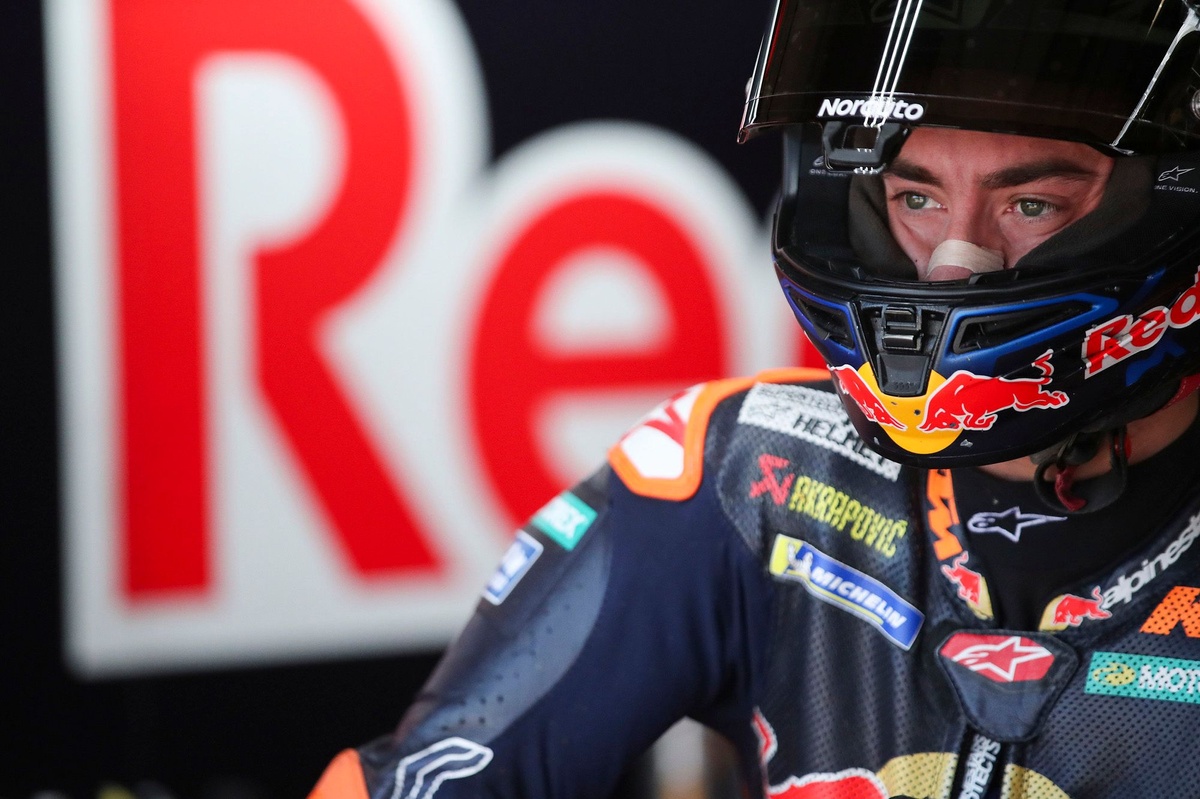
The first lap of the Sachsenring sprint showcased MotoGP’s new grid layout in full, demonstrating a cleaner, safer start while limiting overtaking opportunities.
Grid Reconfiguration Aims for Safety
Developed after incidents in Barcelona and Balaton Park, the revised grid spreads riders farther apart. Meet the direct feedback from the paddock: Tech3 KTM rider Enea Bastianini admitted, “It’s better for safety, but it’s worse for overtaking. I can’t get past many riders.”
South African KTM star Brad Binder echoed the sentiment. “It’s terrible for me,” he laughed, “I can’t pass as many people. Even with a solid start, you only avoid one row, not two. Safety’s right, but the show suffers.”
World champion Jorge Martin, however, found little to lose. “I didn’t feel anything,” he said. “The extra space lets me think and react. Nothing happened in the first corner, so that’s a good thing.”
Acosta, Binder’s teammate, welcomed the change, stating, “It’s the first move that feels genuinely safer. At the first corner, only one or two riders are beside you, instead of five. That’s a good start.”
Race Dynamics and Track Conditions
The tighter Sachsenring layout amplified the grid’s effects, leaving minimal differences between starting positions and the race order after lap one. The result was a relatively flat‑lined sprint, where the lack of overtaking possibilities played a role in the race’s monotony.
Despite the subdued action, riders noted a noticeable safety improvement. “We have more space to react to incidents if they arise,” said Bastianini, underscoring the safety intent behind the change.
Impact on Future Starts
With the new grid established, teams and riders will continue to gauge its operational balance. The priority remains clear: deliver safer starts without compromising the sport’s inherent excitement.
 "
"