
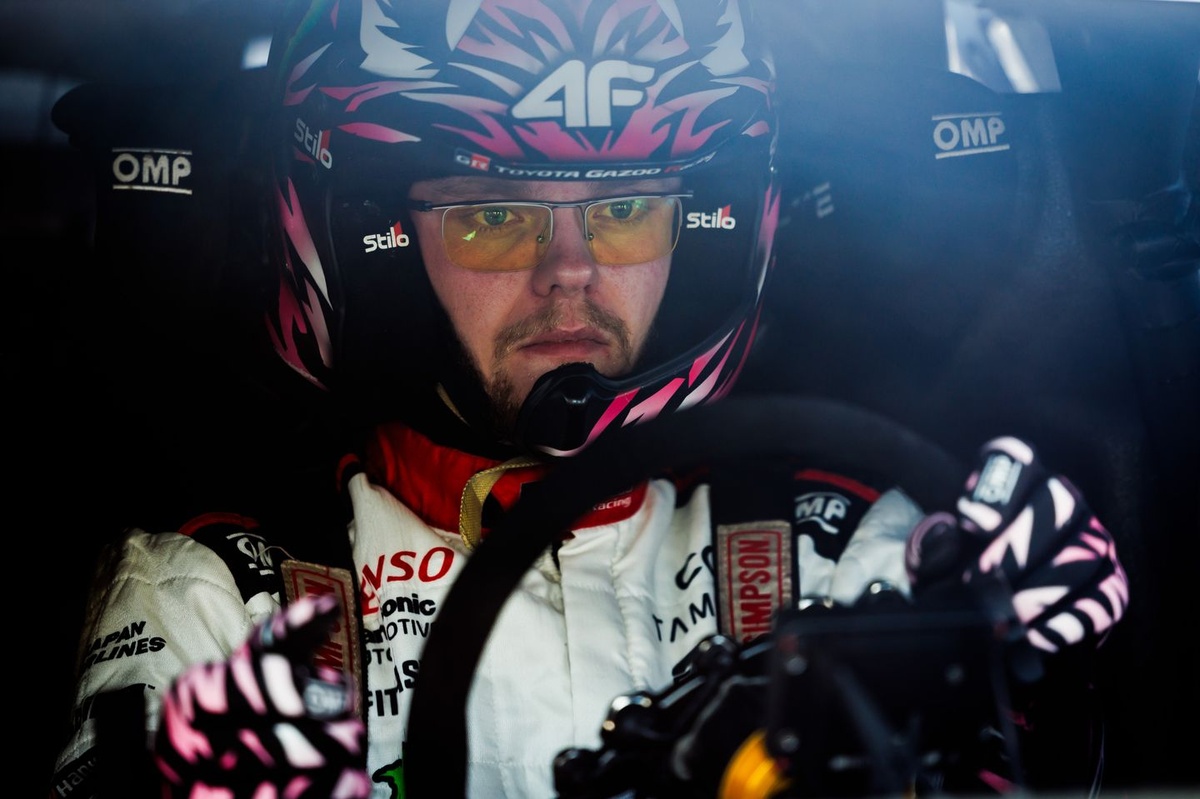
Oliver Solberg’s Rally Japan campaign ended abruptly when a mis‑judged left‑hand turn in Stage 10 forced his Toyota GR Yaris into a tree, crushing the right‑rear suspension and ending his fight for the win.
The slip that ended the podium fight
While closing on leader Elfyn Evans, Solberg entered a slick corner, braked slightly late and slid off the rally‑line, striking a pole‑like obstacle that broke the rear suspension beyond repair. The impact left the car stranded in the forest, prompting an immediate retirement from the event.
Solberg refutes “excessive risk” claims
Back in the service park, the young Swede addressed teammate Sebastien Ogier’s remarks about his “high risk” approach. He stressed that his pace matched the weekend’s rhythm and that the stage’s unexpected muddy, slippery sections caught him off‑guard. “I wasn’t pushing anything crazy,” Solberg said, “just trying to replicate the comfortable rhythm I felt all weekend.”
Team’s assessment of speed versus consistency
Ogier, who watched the crash unfold, acknowledged Solberg’s impressive pace but warned that relentless speed must be paired with steadier execution. Team principal Jari‑Matt Latvala echoed this, noting Solberg’s status as the fastest driver in the championship yet highlighting his lack of consistency compared with veterans like Evans and Ogier. Latvala emphasized the need to “take that 2 % off your speed” and trust that the existing pace is sufficient for podium finishes.
Learning curve for the rookie’s first full WRC season
Solberg’s third asphalt‑related retirement this year underscores a broader challenge on tarmac: balancing raw speed with the minute margins demanded by Rally‑1 machinery. The Toyota Gazoo Racing crew reaffirmed their commitment to supporting the driver’s development, aiming to convert his evident talent into reliable results as the season progresses.
 "
"