
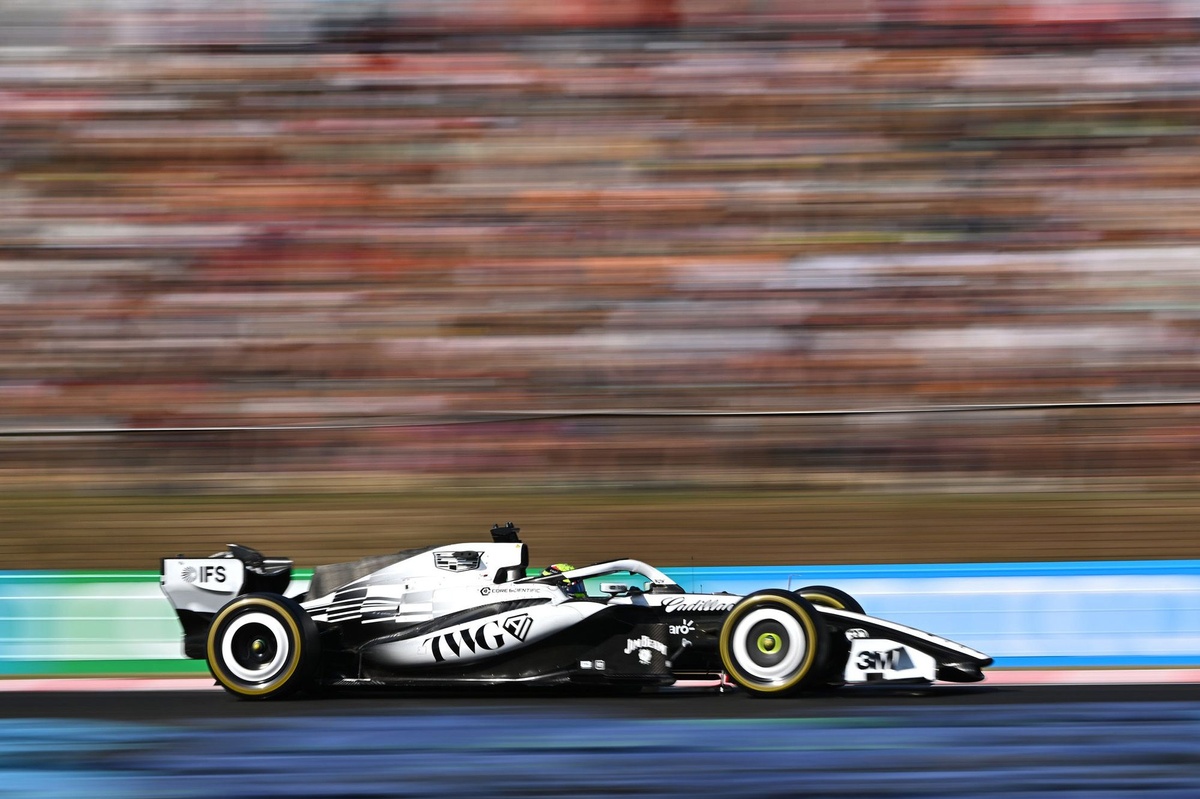
Sergio Pérez has openly denounced Cadillac Racing’s stagnation in the 2026 Formula 1 season, insisting the new American outfit must overhaul its development approach.
Performance Gap Persists
Cadillac Racing entered the championship this year only to finish at the back of the standings, chalking up no points after eleven races. Despite substantial updates to its MAC‑26 chassis, including a sizeable upgrade in Austria, the team has remained around two and a half seconds slower than front‑running rivals.
Development Shortfalls Spark Frustration
Pérez highlighted that the team’s reliance on third‑party suppliers hampers its ability to iterate effectively. “We’re still buying a lot of components, so we’re not in full control,” he said, explaining that this external dependence creates inefficiencies and blurs the engineering chain.
“There’s no clear development pathway,” Pérez added. “Other established teams have a well‑defined up‑and‑down process; we’re still mapping the curves and building that line.”
Aston Martin Sets a Benchmark
While Cadillac struggles to gain traction, Aston Martin has moved ahead with its B‑spec chassis during the Hungarian round, quickly overtaking the American squad. Pérez insisted that Cadillac’s lack of similar progress was “a gap we’re keen to eliminate.”
Future Roadmap and Internal Refocus
Headed by Graeme Lowdon, the squad aims to deliver a series of upgrades in the latter half of 2026 to strengthen its position for the following season. “We must balance the current campaign with readiness for 2027,” Pérez noted, emphasizing that the team’s morale remains low until tangible gains appear.
The driver underscored the importance of a robust development cycle, especially given that 2026 marks the start of a new regulation cycle. “Efficient timelines are crucial now,” he declared, pointing to the team’s plan to re‑think processes and secure confidence for the future.
Without a clear, internally‑driven development strategy, Cadillac Racing sits behind the leaders as the season progresses. The next rounds will test whether the team can translate introspection into measurable pace gains and close the performance gap that has defined its debut year.
 "
"