
Williams’ James Vowles pushes for a sliding scale that would let lower‑ranked teams spend beyond the $215 million Formula 1 cost cap ceiling.
Vowles insists the new cap has split the paddock into a “two‑tier championship,” claiming the top four teams hoard 83% of the points during the season.
He proposes a tiered allowance that would let the trailing teams invest more in outdated factory facilities without breaching the operational ceiling.
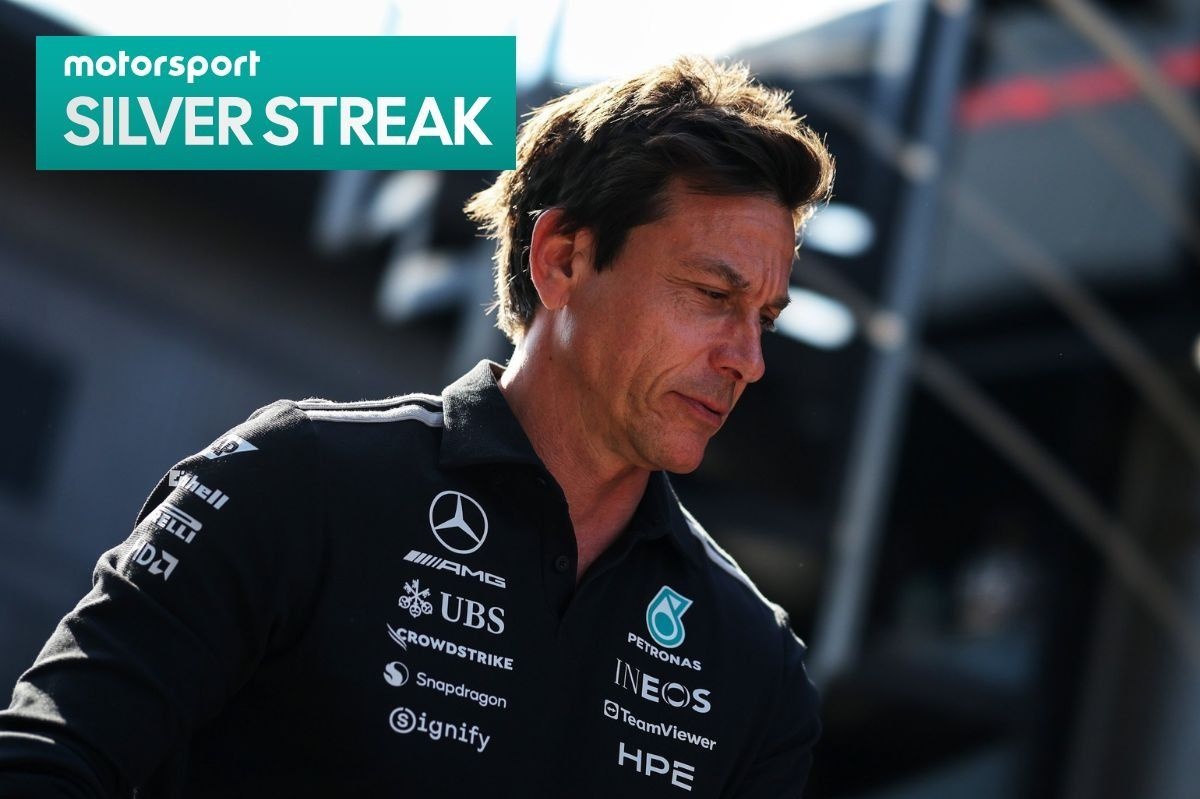
At the FIA summit in Singapore, Mercedes‑AMG Petronas’ Toto Wolff slammed the idea, calling it a BoP‑style rule that would “blur the lines” for fans.
Wolff, who lauds the current cap’s fairness, calls a sliding scale a “red mist” – adjustments so minor that spectators cannot spot them and that do not affect how the race is run.
Wolff also warned that the cost cap is eroding Formula 1’s talent pool, with engineers leaving for hedge funds, banks and technology firms that offer higher salaries.
He said that a dedicated salary bracket within the cost cap could keep top graduates attracted to the sport.
McLaren CEO Zak Brown countered by pointing to his own garage, noting that the grid is tighter than ever and that a lean operation can win championships by hiring the right people.
Photo by: Sam Bloxham / LAT Images via Getty Images
Brown added that smaller teams “hit the sweet spot” under the current financial framework, meaning extra capital would not necessarily unlock more performance.
Wolff echoed Brown’s viewpoint, saying even a widened CapEx/OpEx could not solve Williams’ challenges and that an adjustment mechanism would do little to boost competitiveness.
Photo by: Clive Mason / Getty Images
Photo by: Mark Sutton / Formula 1 via Getty Images
Where the Debate Heads Next
With FIA deliberations still open, the split over whether to reward underperforming teams with extra spend continues to polarise the paddock.
 "
"