
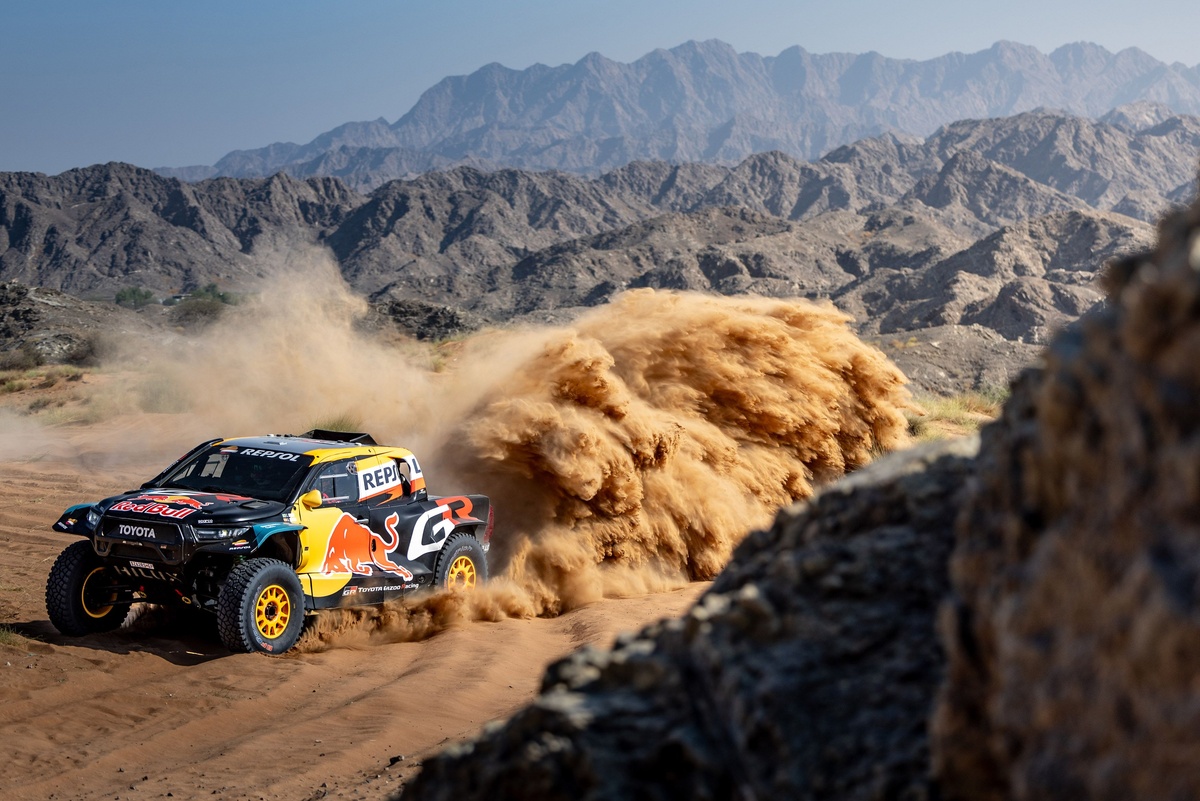
Toyota Gazoo Racing will debut the DKR GR FC Hilux, a hydrogen‑powered prototype, in the 2027 Dakar Rally, the world’s most demanding off‑road event.
Fuel‑cell breakthrough in desert racing
Unlike earlier Toyota hydrogen attempts, this model employs a fuel cell, turning hydrogen and oxygen into electricity that drives an electric motor. The result is zero carbon‑dioxide emissions – only water vapour exits the tailpipe.
Testing moves from Belgium to Saudi Arabia
The company has already run the powertrain on a test track in Belgium and will conduct a full test programme once the vehicle rollout is finished. The tests aim to hard‑wire data for future commercial hydrogen engines in passenger cars, trucks, buses, trains, marine vessels and stationary power generators.
Continuing the petrol‑powered legacy
While the fuel‑cell Hilux will race in the Dakar Future Mission 1000 class – defined for experimental builds – Toyota will retain the regular petrol‑powered DKR Hilux in the Ultimate class to keep a multi‑vehicle strategy.
History of Toyota’s hydrogen racing
Hydrogen entered Toyota’s motorsport arena in 2021 when Rookie Racing ran a hydrogen‑engined Corolla H2 in Japan’s Super Taikya series. The 2023 update switched to liquid hydrogen, allowing the car to run more efficiently on track.
Subsequent demonstrations have seen the GR Yaris H2 in the WRC and Kazuki Nakajima piloting a TR LH2 prototype during the 24‑Hour Le Mans qualifying at Circuit de la Sarthe.
Leadership and vision
Chief Executive Akio Toyoda has long championed hydrogen, positioning Toyota as a trailblazer in clean‑fuel movement. The Dakar push reflects that strategy, showcasing the endurance of hydrogen technology under extreme conditions.
The 2027 event will take place from 1–15 January in Saudi Arabia, and the new DKR GR FC Hilux will aim to highlight the potential of fuel cells in endurance racing while gathering critical data for commercial deployment.
 "
"