
Lewis Hamilton has publicly dismissed the Ferrari‑provided F1 simulator after his second‑place finish at the Canadian Grand Prix, insisting the virtual tool offered no advantage.
Why simulators dominate modern development
With on‑track testing sharply curtailed, teams now rely on high‑fidelity simulators to shape car setups before each Grand Prix. Reduced Friday practice and the rise of sprint formats leave only a narrow window to arrive with a competitive baseline, making virtual validation essential.
Virtual runs also allow engineers to trial new components and assess aerodynamic changes without breaching budget caps. Consequently, the simulator has become the primary arena for evaluating performance gains that once required real‑world mileage.
Hamilton vs Leclerc: divergent driver routines
Hamilton argues that the current Ferrari simulator fails to reproduce the SF‑26r’s on‑track dynamics, labeling it a waste of mental bandwidth. He points to his best results this season—both achieved without any simulator input—as proof that real‑world data suits his preparation better.
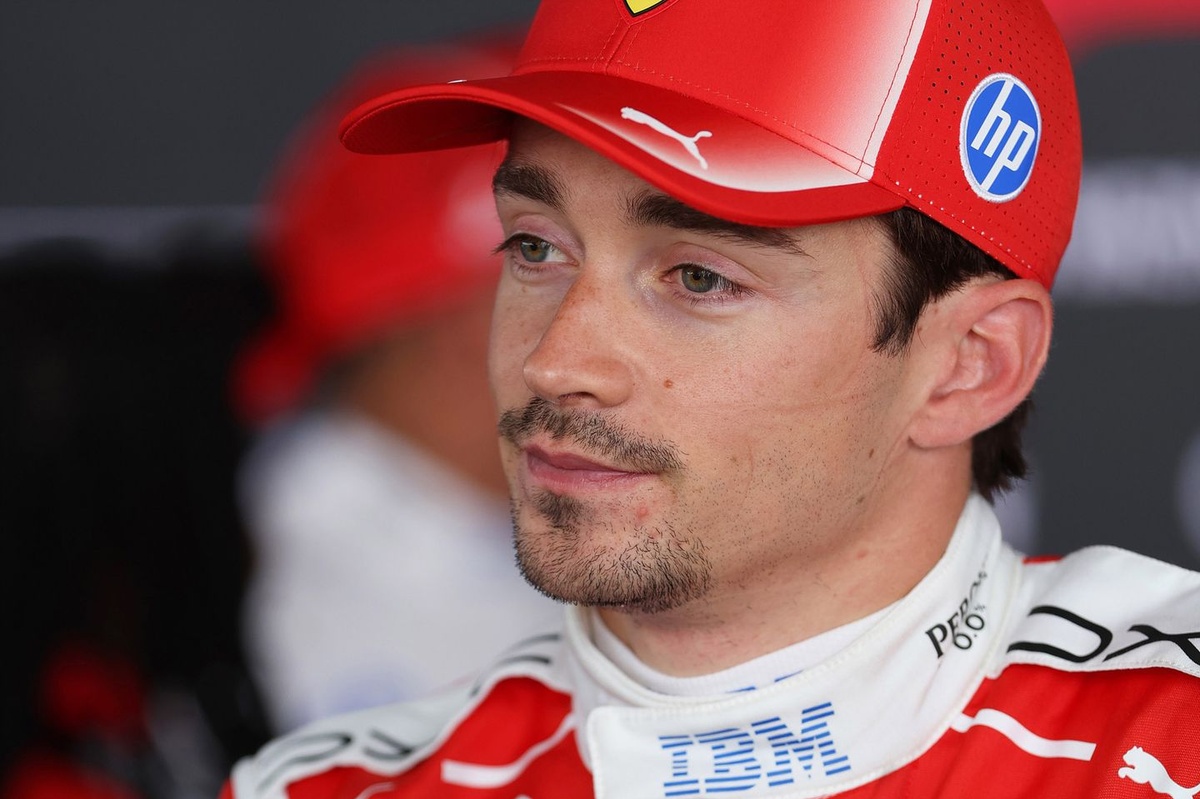
In contrast, Charles Leclerc insists the same virtual environment has consistently delivered reliable setups since his entry into Formula 1. “The simulator works well for me, so I’ll keep using it,” he said in Monaco, emphasizing its role in translating home‑lab experiments to race‑day upgrades.
The opposing views highlight how personal habit, confidence, and pattern recognition shape a driver’s reliance on digital tools.
From unlimited circuits to digital‑only testing
Until the late 2000s, teams could amass extensive mileage outside race weekends, often supported by dedicated test squads. Former FIA president Max Mosley pushed back, imposing a mileage ceiling in 2007 and, following the 2008 financial crisis, outlawing in‑season testing from 2009 onward.
These restrictions forced development into the virtual realm, spawning sophisticated simulators, wind‑tunnel models, and CFD pipelines. Even top outfits like Red Bull have blamed recent performance dips on poor correlation across their digital tools, underscoring the delicate balance between simulation fidelity and real‑world results.
What the split means for upcoming weekends
If Hamilton continues to forgo the simulator while rivals fine‑tune their cars virtually, his next race could become a litmus test for the approach. Conversely, Leclerc’s steadfast belief in the F1 simulator suggests Ferrari will keep leveraging digital data to close the gap.
The evolving reliance on virtual testing, combined with shrinking on‑track minutes, hints that driver confidence in simulators may become as decisive as raw speed in shaping the championship battle.
 "
"