
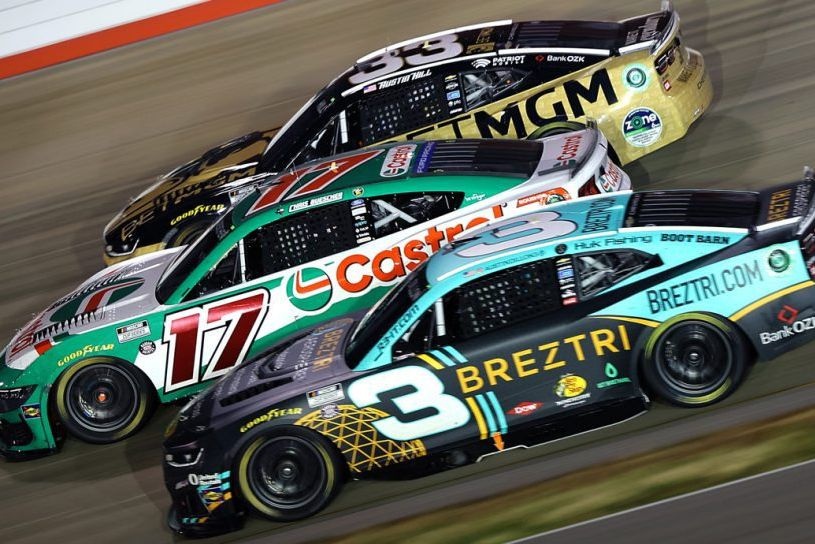
NASCAR announced that Austin Dillon will face no penalty for the lap‑145 wreck involving Brad Keselowski at Nashville Superspeedway, despite claims of intentional retaliation.
What triggered the controversy
During the race, a bottleneck at pit entry forced Keselowski low on the front stretch, causing him to stall and make contact with Dillon, who spun off Keselowski’s nose. Nearly fifty laps later, a restart pile‑up saw Dillon follow Keselowski onto the apron, resulting in a second collision that damaged Keselowski’s car.
Both Keselowski’s spotter, TJ Majors, and the driver himself interpreted the later contact as deliberate payback, asserting that Dillon “tracked” him before the impact.
How NASCAR evaluated the incident
Senior Director of Racing Communications Amanda Ellis explained that competition strategist Scott Miller extracted telemetry and radio data from the event. The analysis showed both drivers were off full throttle—Dillon at 17 % throttle after lifting from 100 % exiting Turn 4—when they tangled, indicating no evidence of an intentional gas‑on‑gas maneuver.
Ellis added that broadcast analysts Dale Earnhardt Jr. and Steve Letarte also concluded the episode appeared accidental, and that NASCAR therefore classified it as a racing incident.
Reactions from the pit lane and the broadcast booth
Keselowski told Prime Video viewers that “turnabout is fair play,” reinforcing his belief that Dillon’s move was purposeful. Majors echoed this view, stating he would have “lifted” if he had control.
Earnhardt Jr., however, expressed doubt, noting that “I don’t think he tried to wreck you on purpose” and emphasizing the broader context of recent challenges faced by both teams.
NASCAR’s decision rests on telemetry evidence and the consensus of on‑air analysts, leaving the incident officially labeled as a racing mishap while monitoring future driver interactions.
 "
"