
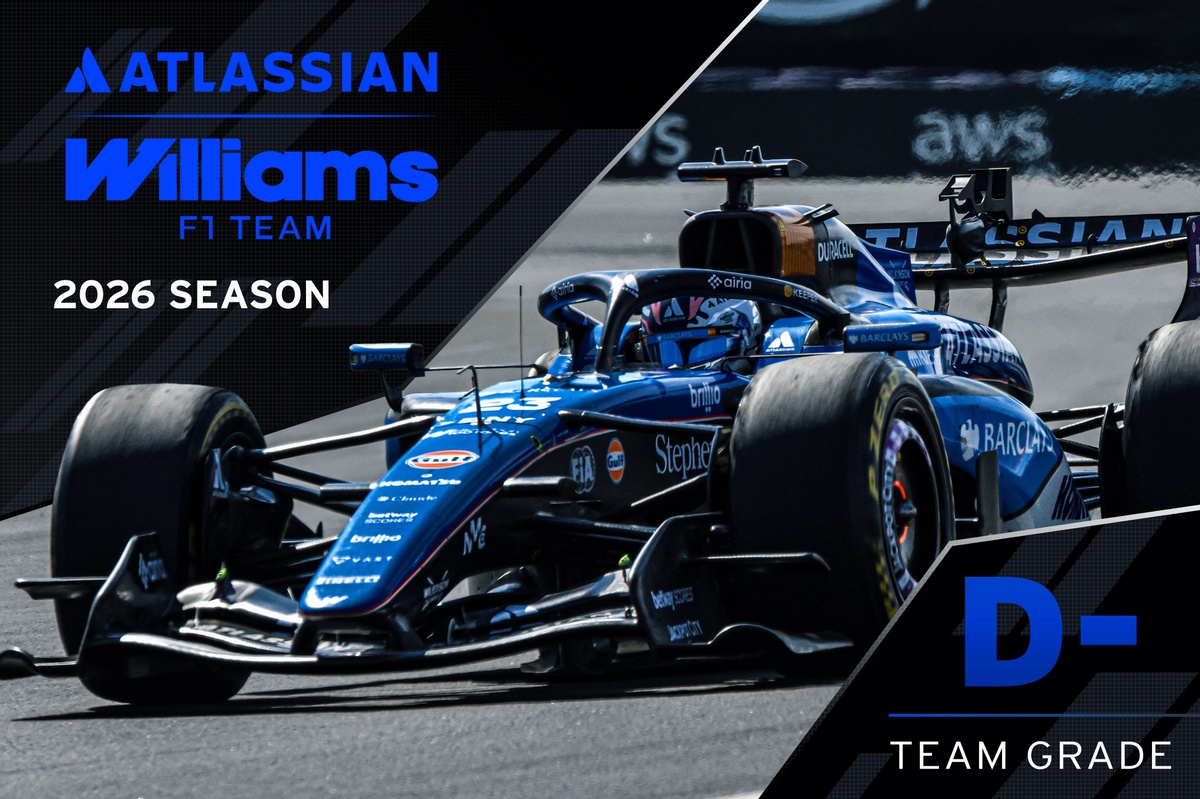
Williams F1’s 2026 campaign has collapsed into a wake‑up call, with the FW48 burdened by weight and a lack of aerodynamic lift that left the team stranded outside Q3 in its first races.
Underwhelming Launch
The new regulations forced an extensive overhaul of internal systems, but the schedule collapse meant the FW48 never reached Barcelona for a shakedown. The car arrived late on the track, overweight and under‑driven, and drivers Carlos Sainz and Alex Albon missed the chance to test their potential; both continued to struggle on the higher‑speed circuits that follow.
Mid‑season Recovery Efforts
Despite an early dip, the squad secured four points across the first six rounds and improved at Miami, Montreal and Monaco after the April break. Yet the gap to front‑tier teams widened at circuits like Barcelona and Silverstone, underscoring the car’s deficiencies and hinting that the team remains in survival mode until its September upgrade for the Azerbaijan Grand Prix.
Leadership Push for Engineering Excellence
Manager James Vowles has openly acknowledged the engineering shortfalls and pushed for a rebuild that matches current standards. He outlined the need to prove the team can design and build a car of “right‑level quality” within a season, paralleling the effort of “flying the plane while rebuilding it.” The crew has responded by adding former McLaren chief Piers Thynne, ex‑Mercedes engineers Dan Milner and Claire Simpson, though tangible gains will be delayed by the time required to integrate new talent and infrastructure.
Looking Ahead to 2027
Williams’ 2026 season is likely beyond salvaging, yet the experience gained and the mid‑season improvements will serve as a baseline. The September package will determine whether the squad can transition from a lagging midfield entrant to a competitive force aspiring for a 2027 resurgence.
 "
"