
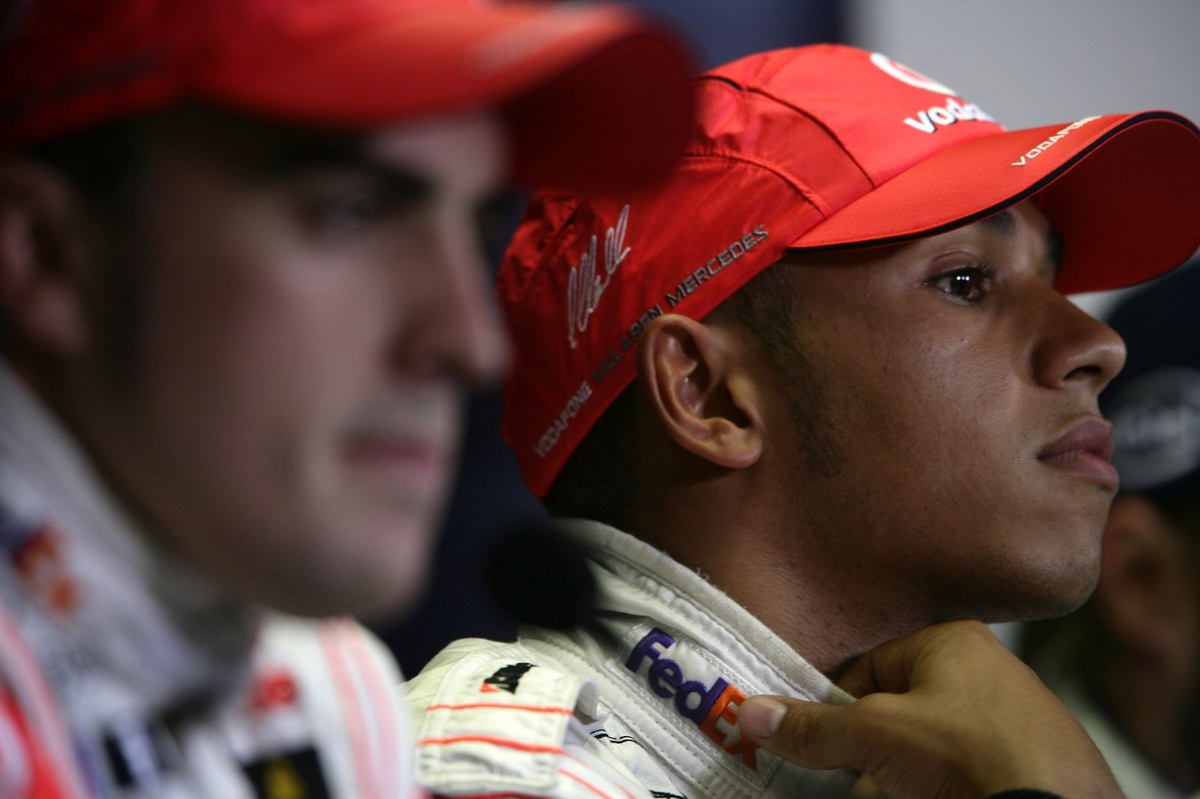
Lewis Hamilton secured his first Formula 1 triumph at the 2007 Canadian Grand Prix in Montreal, taking pole and converting it into a historic victory.
Fuel‑load dispute and early‑season rivalry with Fernando Alonso
Entering the weekend, Hamilton and two‑time champion Fernando Alonso were tied on points, yet Hamilton believed McLaren had disadvantaged him by assigning a heavier fuel load for qualifying—a rule that required cars to start the race with the fuel needed for the opening stint. He recalled repeatedly needing to be at least a tenth of a second quicker than Alonso to offset the extra weight, a margin he achieved when equal fuel was finally granted, allowing him to seize pole by 0.456 s.
Statistical analysis of pit‑stop data from the 2007 season shows Hamilton stopping one to three laps later than Alonso in Australia, Malaysia, Spain and Monaco, supporting his claim of a heavier start. An early‑season exception occurred at Bahrain, where Hamilton pitted three laps earlier after out‑qualifying his teammate, suggesting that the Canadian race was not the first instance of lighter fuel.
The breakthrough moment and its lasting impact
Hamilton’s pole‑to‑victory performance at Montreal marked the opening of a record‑setting career that would eventually encompass 105 Grand Prix wins. He later reflected on the 2026 Montreal event, describing the 2007 win as a pivotal affirmation of his belief that “if you give me a chance, I will show you what I can do.”
Beyond the Canadian triumph, Hamilton highlighted his “welcome to F1” memory from Monza 2006, where, fresh from the GP2 championship, Ron Dennis placed his arm around the rookie and promised a future seat at McLaren. That gesture materialised the following year when Hamilton joined the team alongside Alonso.
Hamilton’s debut victory not only silenced doubts about fuel inequities but also launched a rivalry and partnership that shaped the modern era of Formula 1, illustrating how a single opportunity can ignite a legacy.
 "
"