
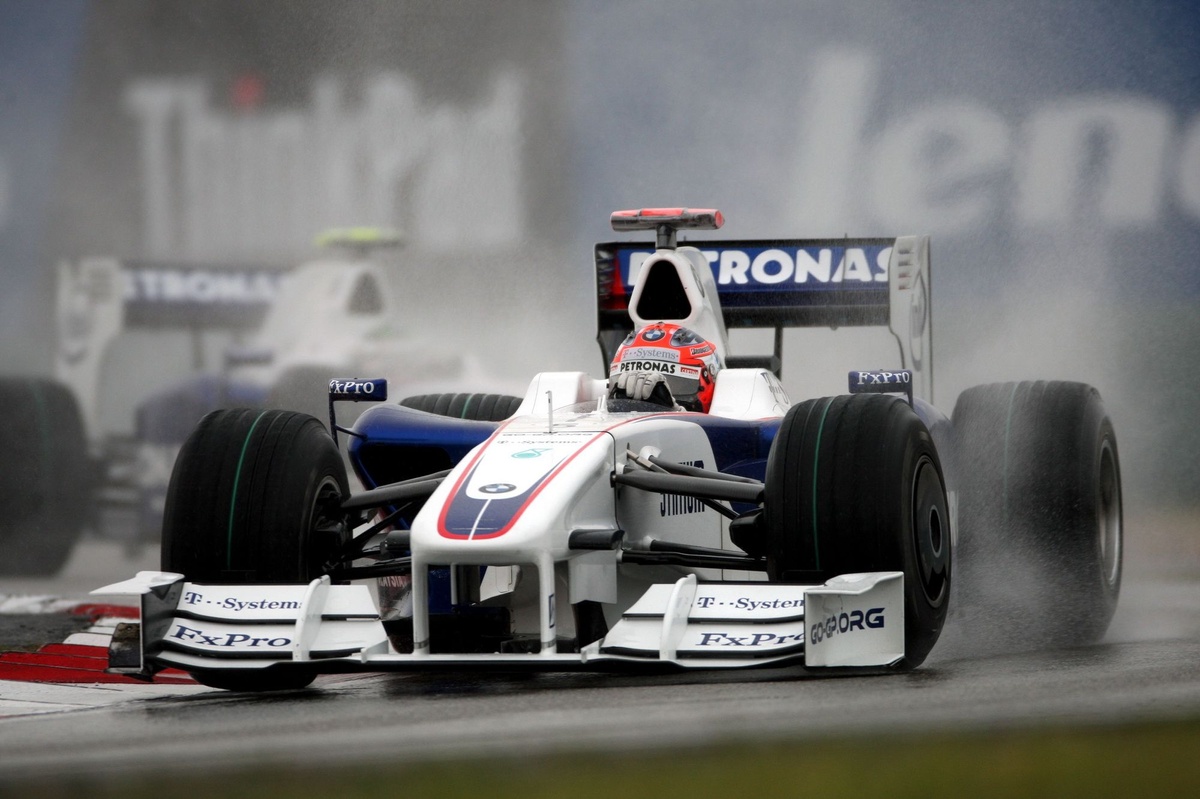
BMW has declared that the advent of Formula 1’s 2026 overhaul will not alter its absence from the championship, citing a lack of viable technology‑transfer routes.
Strategic Gap: F1 Versus Practical Motorsport
BMW’s motorsport DNA, managed by M‑Boss Frank van Meel, hinges on translating racing innovation straight into road cars. Van Meel explained that Formula 1 feels “too detached,” describing it as a laboratory whose breakthroughs rarely reach production platforms. This misalignment has kept the marque from partnering with rivals such as Mercedes, Audi, and the emergent Ford‑Red Bull engine partnership.
From Sauber to Audi – a German Legacy in Flux
Formerly owning a majority stake in Sauber until 2009, BMW saw the Swiss team evolve under new ownership. Audi now drives Sauber’s legacy, whilst Porsche once flirted with a Red Bull collaboration in 2022 before shelving the idea. These shifts underline the volatility of German involvement in F1, leaving BMW as the sole major German automaker still distant from the grid.
Endurance Racing as the New Gateway
In lieu of F1, BMW has fortified its presence in endurance championships. The M Hybrid V8, fielded by the factory WRT squad, competes in the World Endurance Championship and IMSA SportsCar Championship, covering marquee 24‑hour races such as Le Mans and Daytona. This dual effort provides a platform where testing laps can directly influence production models.
American Market – A Priority for M‑Strategic Growth
Van Meel highlighted the United States as covering around 40 % of BMW M’s volume. The IMSA partnership therefore becomes a critical channel for reaching a lucrative consumer base. The M4 GT3 and M4 GT4 customer cars, alongside the M Concept New Class road iterations, benefit from technology borrowed from the endurance suite and the LMDh race program.
Hybrid Powertrains and Direct Tech Migration
BMW’s V8 hybrid system, a hallmark of its racing purview, finds resonance in road‑car power units such as the M5 and XM. Engineers often overlap between endurance and production efforts, enabling rapid validation of hybrid components in a production‑ready environment that is absent in F1’s distinct ecosystem.
While other global brands scramble for a seat on the Formula 1 grid, BMW remains committed to a motorsport strategy that intertwines racing prowess with tangible road‑car advancements, leaving Formula 1 out of its future calculations.
 "
"