
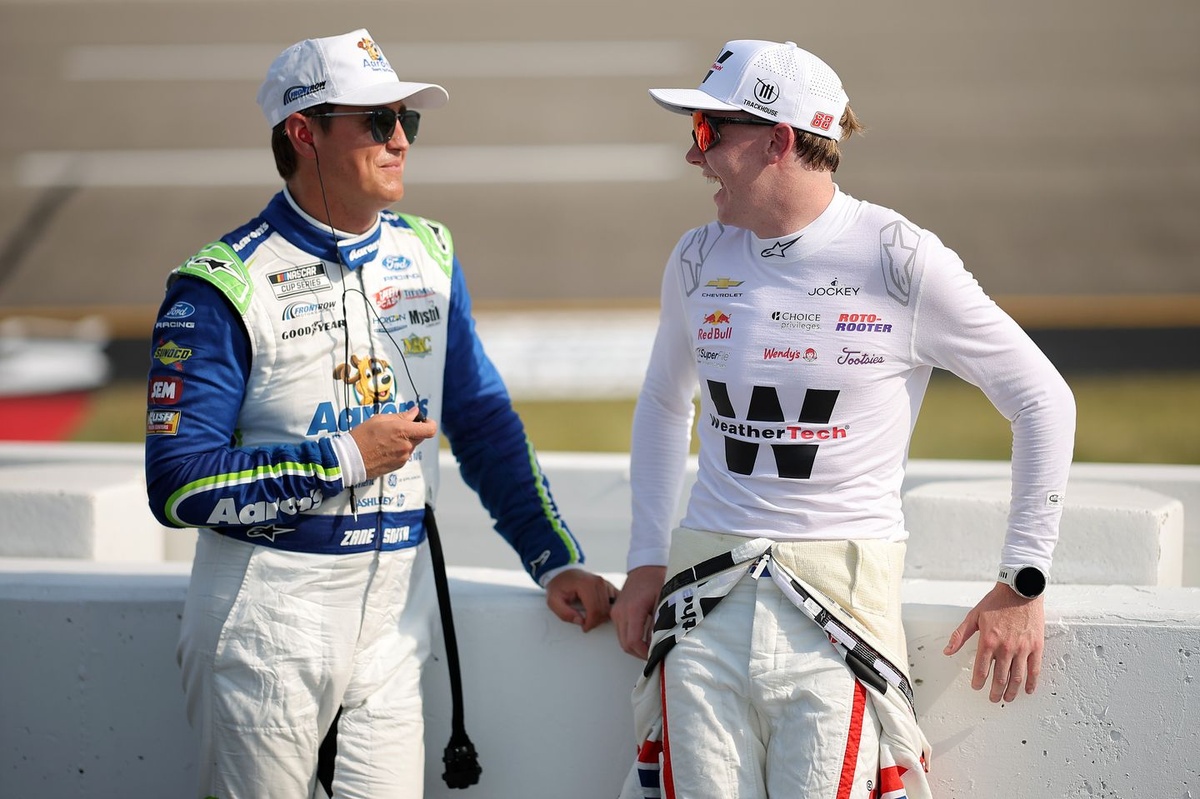
Trackhouse Racing faces a critical lineup shift as Connor Zilisch exits at season’s end, prompting owners to weigh scaling back to a two‑car operation.
Strategic Options
Dale Earnhardt Jr. outlined a practical path on the Dale Jr. Download: trim to two cars and lease the surplus charter instead of selling it outright. By keeping the charter on the lease market, the team could generate steady income while still preserving a future expansion option.
Marks appears inclined to finish the 2027 season with three vehicles, banking on the extra year to settle staffing and resource gaps before Zilisch departs.
Financial Dynamics
Running multiple cars is cost‑effective on a per‑unit basis; the marginal expense of a third rig drops after the first, yet the total spend rises significantly. If funding solidity doubts arise, a leaner two‑car format would reduce the base requirement from roughly $200 million to $125 million, easing capital pressure.
The charter value continues to climb, so leasing provides liquidity while maintaining a valuable asset for sale down‑the‑road.
Future Outlook
Granting Zilisch one more season offers the team breathing room to lock in partnerships and evaluate if a third car remains viable without his presence. The eventual decision will hinge on financial resilience and long‑term charter strategy as Trackhouse heads into 2028.
 "
"