
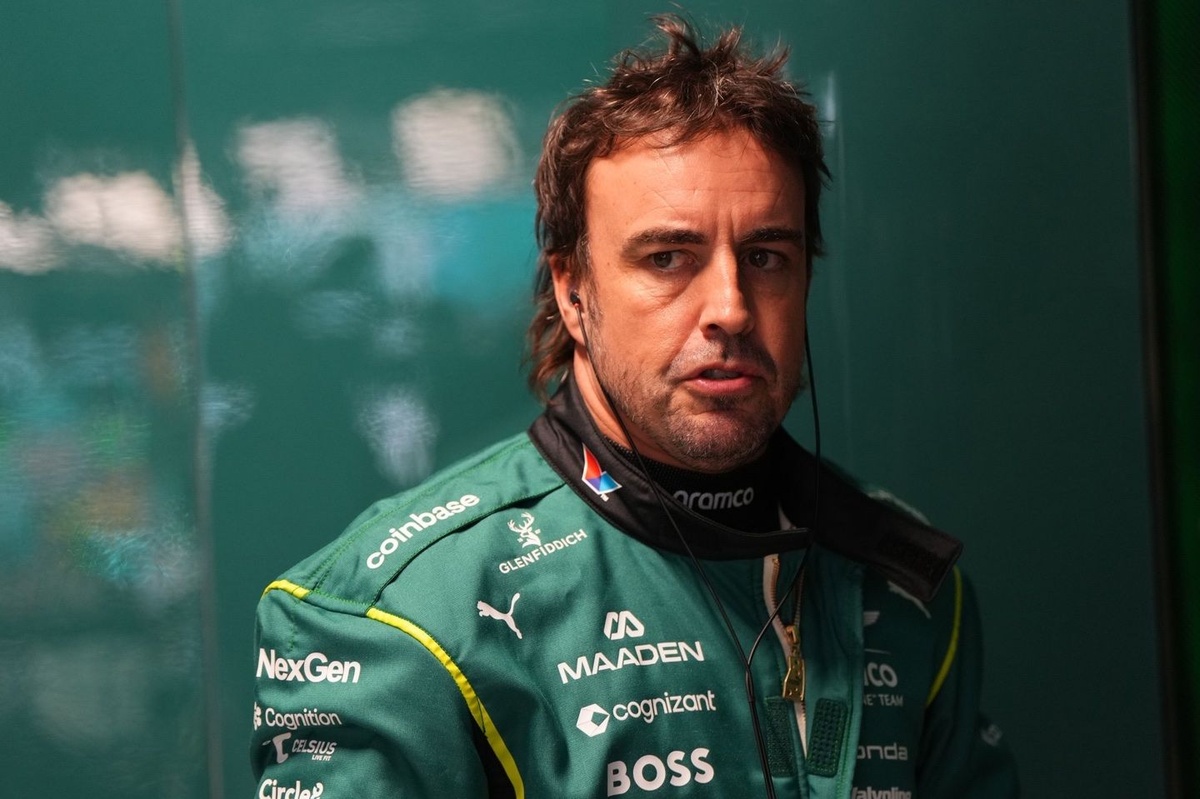
Fernando Alonso announced that Formula One must evolve its battery‑safety strategy after a disheartening experience on the new 5.4 km Madrid circuit.
Madrid’s brutal layout clashes with current power‑unit design
Alonso lauded the circuit’s technical demands – high‑speed and high‑commitment corners such as the iconic Turn 12 – yet complained that the cars’ reliance on battery capacity erases driver‑driven battles.
“When the grid is set, a driver who reaches La Monumental faster ought to dictate the race,” he said, adding that dependence on charge levels makes “faster driving a secondary concern.”
F1’s gradual shift toward a combustion‑electric blend
The sport’s technical committee is moving to a 60‑40 split between internal‑combustion and electric output, with the most pronounced change slated for 2027. Alonso believes the next generation of engines could return to V8 power as early as 2031, but he stresses the need for earlier action.
Aston Martin and Honda’s struggle for competitiveness
While Aston Martin’s Honda unit lags behind rivals, Alonso has met with FIA President Mohammed Ben Sulayem to explore extra concessions under the ADUO catch‑up system. He says additional tweaks may help Honda close the performance gap.
“I speak regularly with Stefano Domenicali; Formula One cannot keep this trajectory,” he told motorsport officials.
Alonso’s future in the sport remains uncertain
The 45‑year‑old Spaniard is widely expected to stay with Aston Martin through 2027, though his public remarks signal a broader willingness to influence regulatory changes.
Driver‑skill versus battery strategy will dictate F1’s next decade
Alonso’s call could accelerate a shift toward balancing battery management with driver ability, reshaping the championship’s competitive landscape.
 "
"