
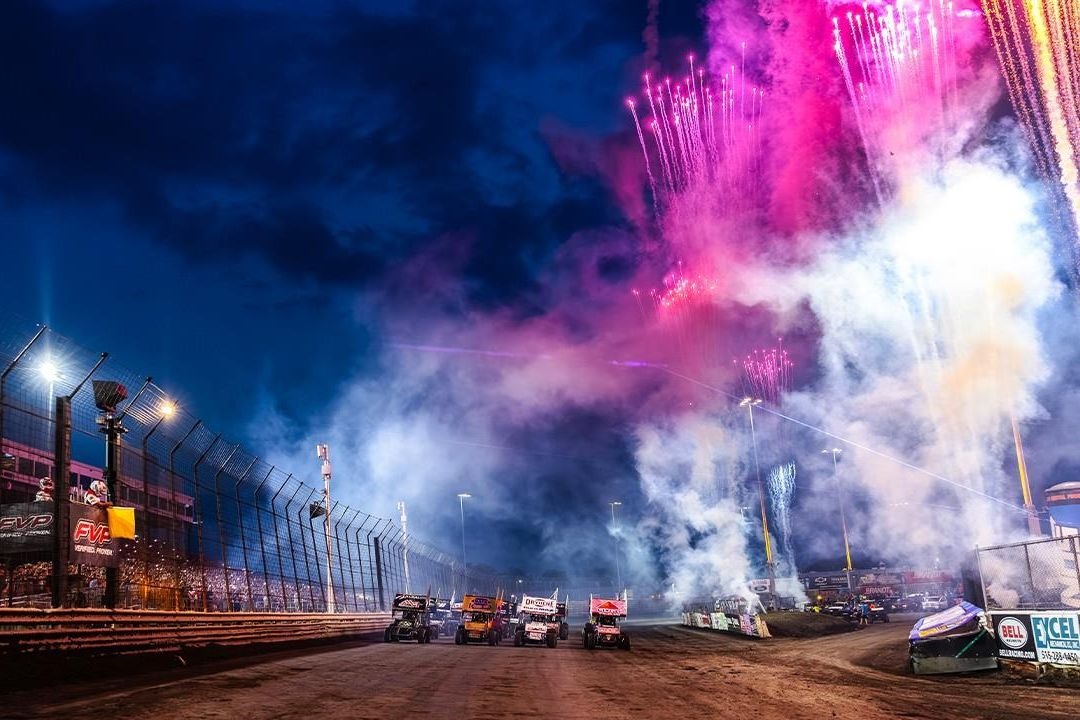
Donny Schatz nailed a decisive pass over David Gravel on Lap 46 of 50 to win his 11th Knoxville Nationals—an event that has not included an overtaking moment in the feature since.
Fast Cars Front‑Loaded, Cautions Scarce
The race format stacks the fastest competitors at the front, creating a field where parity keeps overtaking rare. The half‑mile track runs at high speed, and the top drivers maintain a steady pace because cautions stay infrequent.
Driver Voices on the Current System
Rico Abreu insists that superior equipment and driver skill make passing near impossible, and that the consistent pace eliminates caution flags. “Gravel’s recent back‑to‑front run shows it’s doable, but we’re in a period where many competitive drivers and ultra‑good cars make passing unlikely,” he said.
Ryan Timms, the 2024 champion, points out the inversion of eight cars in heat races as a significant challenge. “Starting eighth in an eight‑lap heat makes it hard to reach the top four,” he explained, adding that a good prelim night is deservedly rewarded on Saturday night.
Fuel Stop Debate
The mandatory red‑flag break set between laps 25 and 50 for refueling has attracted criticism. Kasey Kahne argues that a properly sized fuel tank eliminates the need for a mid‑race stop, claiming that racing should keep tires hot and momentum continuous.
Abreu calls for changes, proposing a 30‑lap format that would remove the fuel stop, a mandatory break, and the open red flag. “It would reward the best cars and drivers from the preliminary nights and keep the feature straightforward,” he said.
Balancing Tradition and Competition
Knoxville retains its reputation as “the Super Bowl of Sprint‑Car racing,” but debates over inversion, fuel strategy, and parity suggest that adjustments may lie ahead if the goal is to maintain competitive balance.
 "
"