
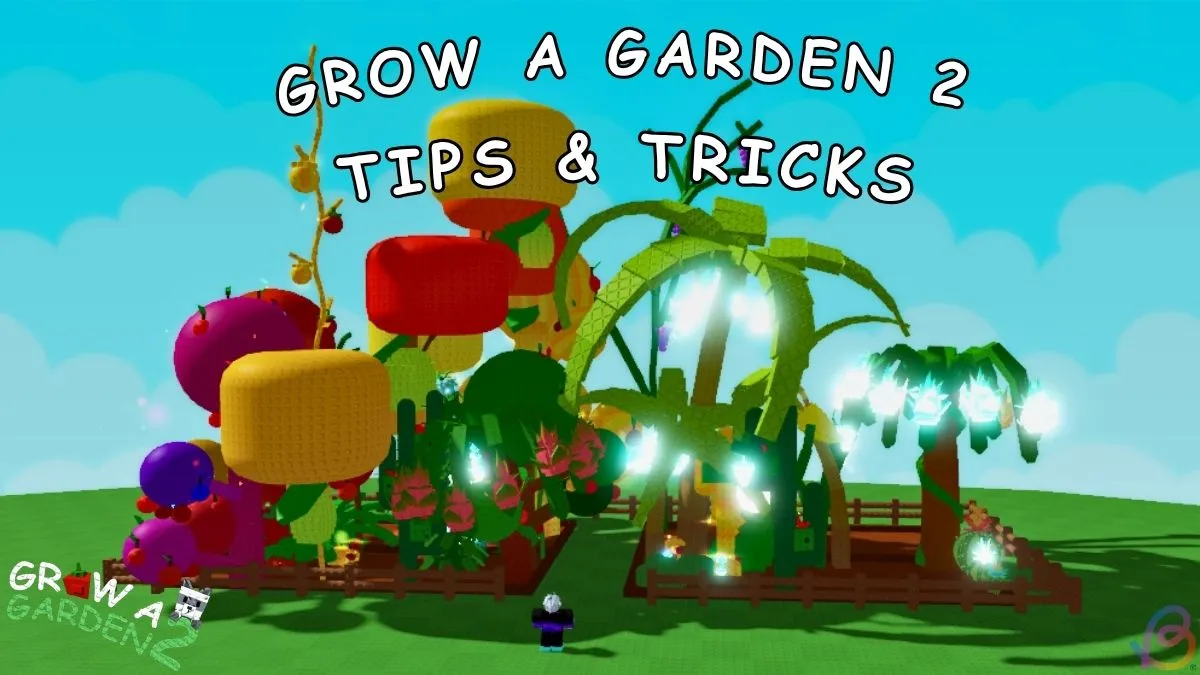
Grow a Garden 2 rewards players who master crop strategy, spending resources on multi‑harvest varieties instead of fleeting single‑harvest plants.
Maximize Income with Multi‑Harvest Crops
Early over‑investment in single‑harvest seeds is a costly mistake. A few quick crops fail to sustain long‑term earnings when compared to plants that continue producing fruit across seasons. Locking the seed shop’s premium options into these perpetual producers keeps Sheckles circulating without constant re‑purchase.
Timing Rare Seeds and Weather Events
Players often plant prized seeds immediately, missing the chance for mutation multipliers during weather events. Holding expensive varieties in reserve and releasing them during a storm lifts their value before harvest, a tactic that turns a single seed into a multiple‑Sheckles asset.
Invest in Sprinklers and Monitor Restocks
Sprinklers trumps early cosmetic gear, expanding plant size and stabilizing revenue. Since the seed shop updates abruptly, logging in every few minutes can catch a short‑lived Bamboo or Mushroom release, boosting a garden’s profitability overnight.
Pets, Mutations, and Night Defense
Not all companions justify their price. Review pet abilities—some bolster mutation chances or seed yields, while others add negligible benefit. Harvest mutated crops when the multiplier peaks; holding them too long frees space for new growth and fresh mutation opportunities. At sundown, thieves surface; arming the plot with defensive traps or protective plants deters theft and preserves harvests.
Claim Free Items and Engage in Events
Free rewards, though small, accumulate: redeem code bonuses, complete guild quest payouts, and claim mail from in‑game giveaways. Special events—weather, limited‑time seed spawns, and seasonal contests—unlock rare seeds, powerful mutations, and exclusive gear. Active participation during these windows consistently yields high‑value takeaways.
Managing Decay Quickly
When a plant begins to dim, it is decaying. A common watering can restores it, rescuing the crop from devaluation and loss, and keeping the harvest price intact.
 "
"