
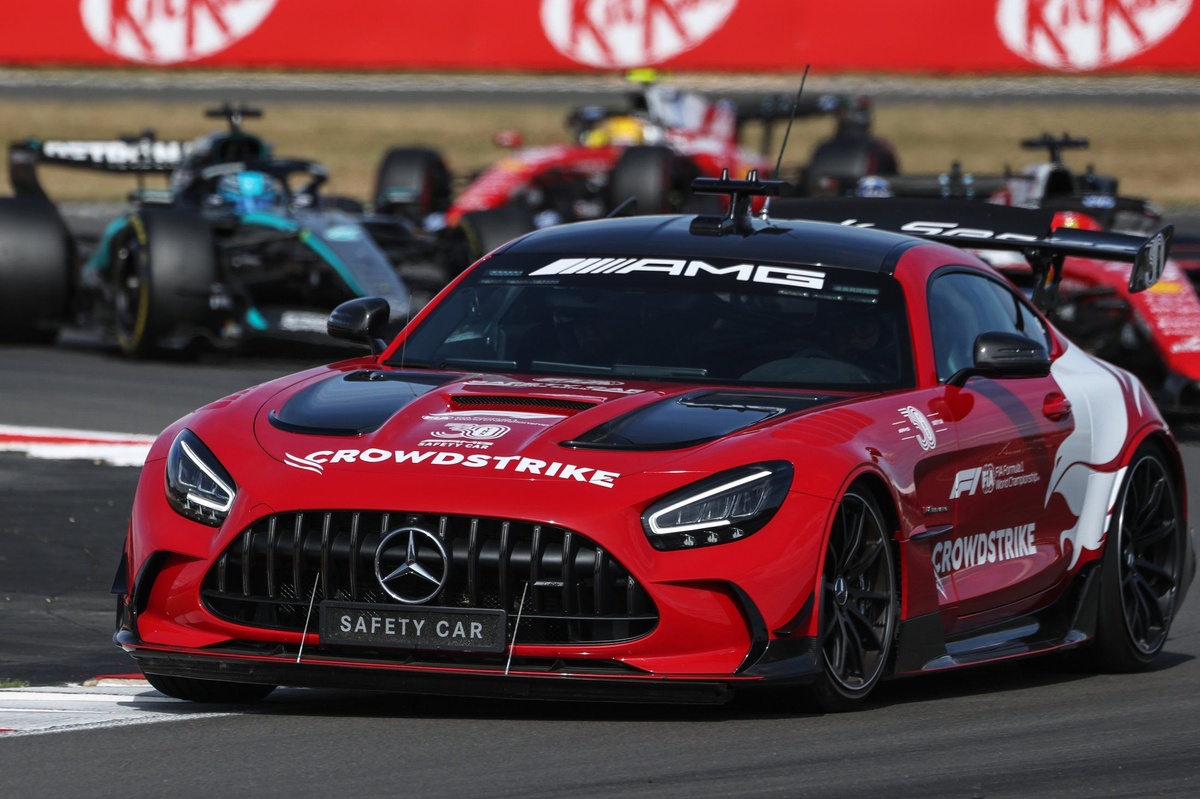
The 2026 British Grand Prix concluded under the safety car, a finish that left many fans in the Silverstone stands feeling let down.
Crash forces a safety‑car restart
Max Verstappen hit the wall at Stowe with six laps left, forcing race control to deploy the safety car and clear the Red Bull. The interruption gave teams an extra chance to rearrange positions before the final lap.
Software glitch rattles proceedings
During the penultimate lap, a mis‑displayed message signalled the safety car would withdraw. FIA officials corrected the error within eight seconds, but the confusion prompted a wider debate on procedural accuracy.
Unlap rules make the difference
F1 regulations require one full lap after the unlap procedure, which explains why the race ended under caution. Unlike sports such as NASCAR or Formula E, F1 rarely grants extra laps or ends in a red‑flag state.
Do safety‑car finishes belong in F1?
Some experts argue that keeping backmarkers in place preserves fairness, even though it can splice drivers in the final wave. Others suggest virtual safety cars with speed limiters could keep racing integrity intact without a live safety car. The 12 prior safety‑car finishes since 1999 and the controversial 2021 Abu Dhabi final underline the issue’s relevance.
Consensus on the rules’ application
While no resolution has been reached, the consensus remains that the existing rules were strictly followed. A quick correction by the stewards avoided a repeat of the 2021 drama, and the FIA acknowledges the need to review loopholes that create confusing moments.
For the moment, sporting integrity and procedural consistency will likely shape the next debates surrounding safety‑car conclusions in Formula 1.
 "
"